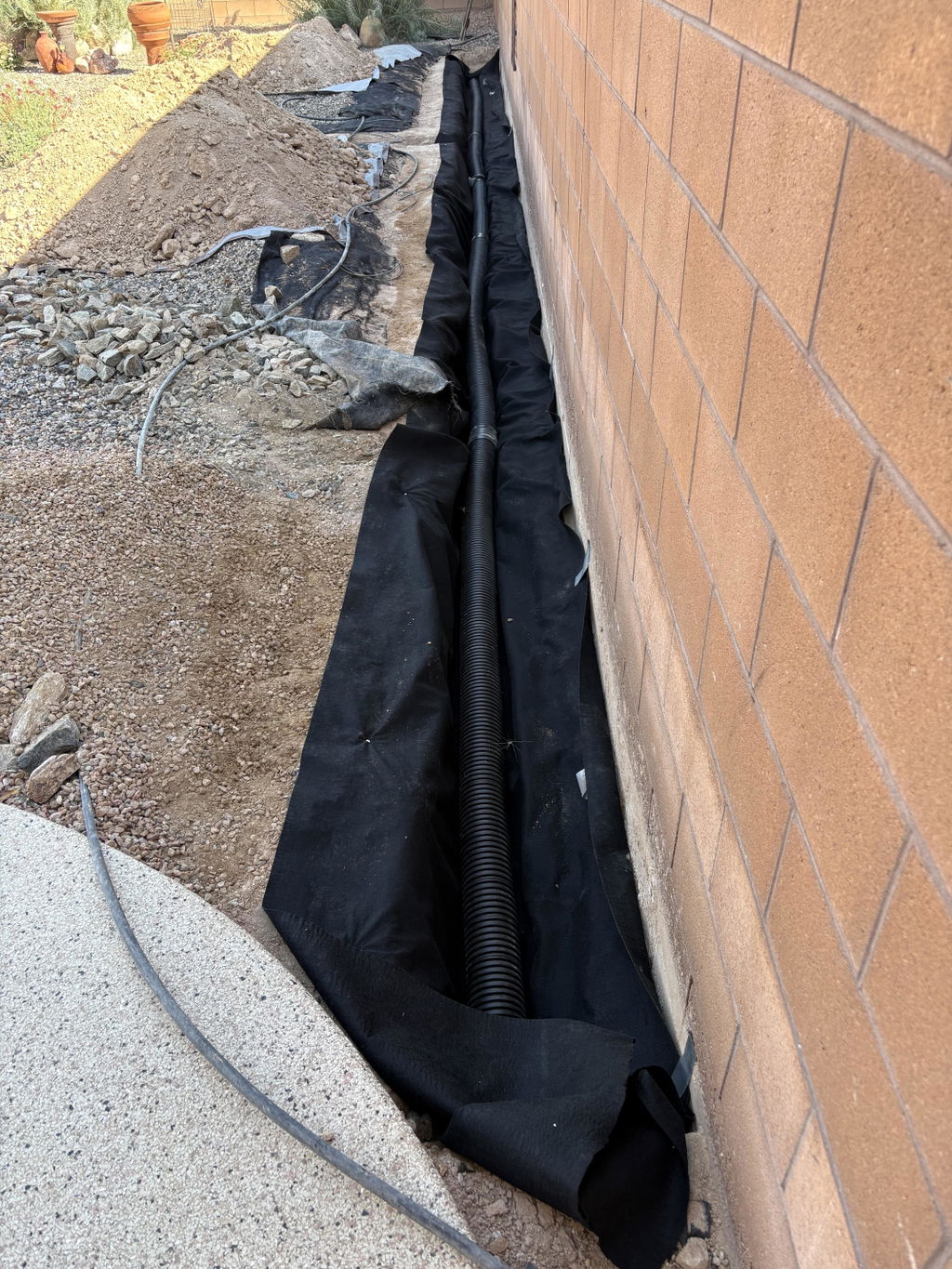
Most retaining wall failures come down to water. When the soil behind a wall gets saturated, the pressure on the wall goes way up and the wall starts to lean, bulge or crack. A drainage zone lined with geotextile fabric is how you keep that water moving out.
Where the fabric goes
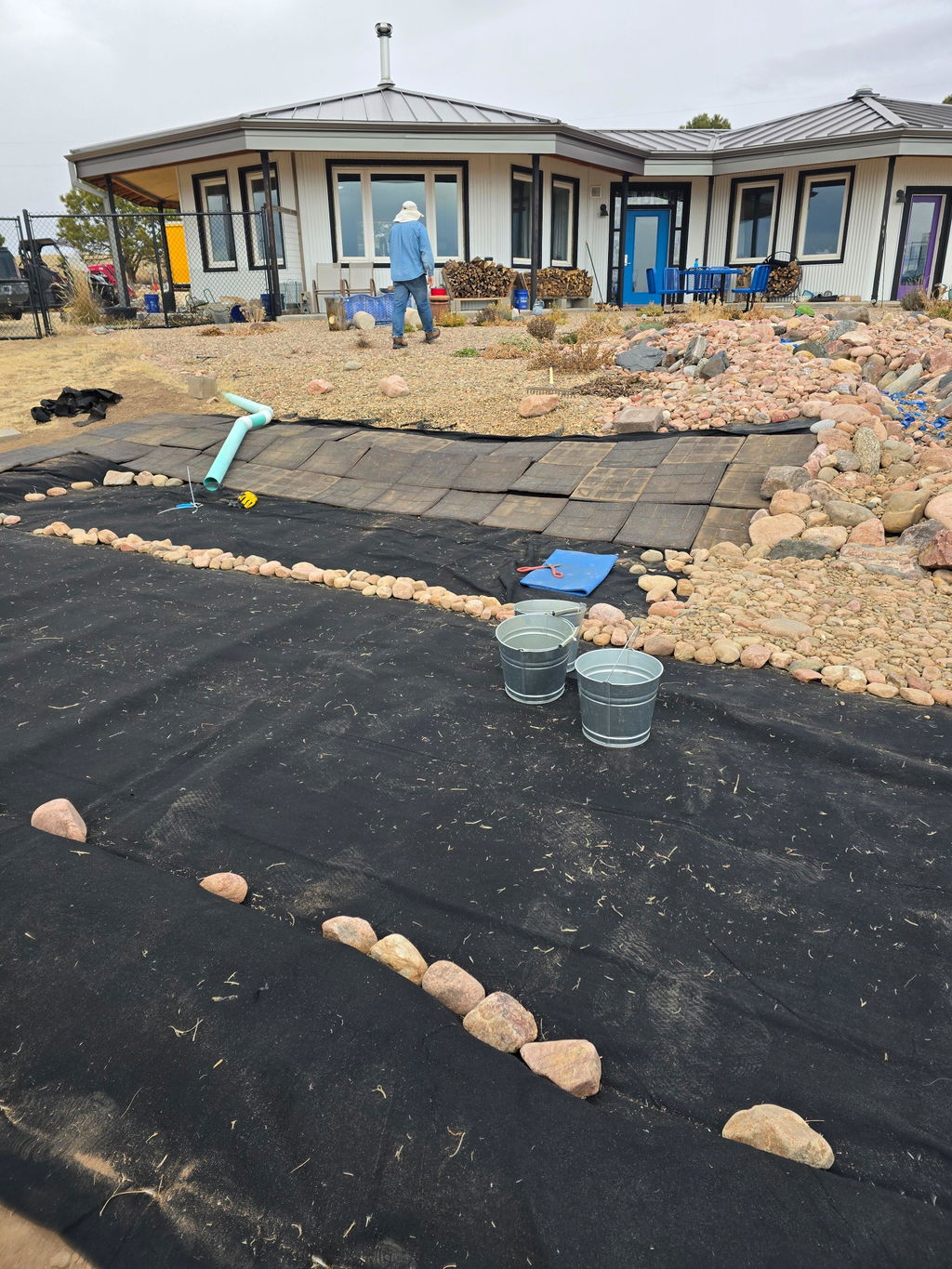
Behind a block or stone retaining wall there are usually three zones: the wall itself, a strip of clean drainage stone right behind it, and the backfill soil behind that. Double needle punched non woven geotextile goes between the drainage stone and the soil. It lets water flow into the stone but keeps soil from washing in and clogging it.
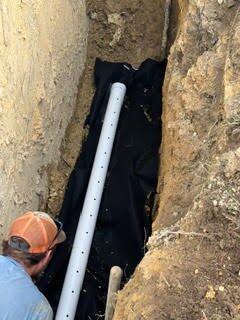
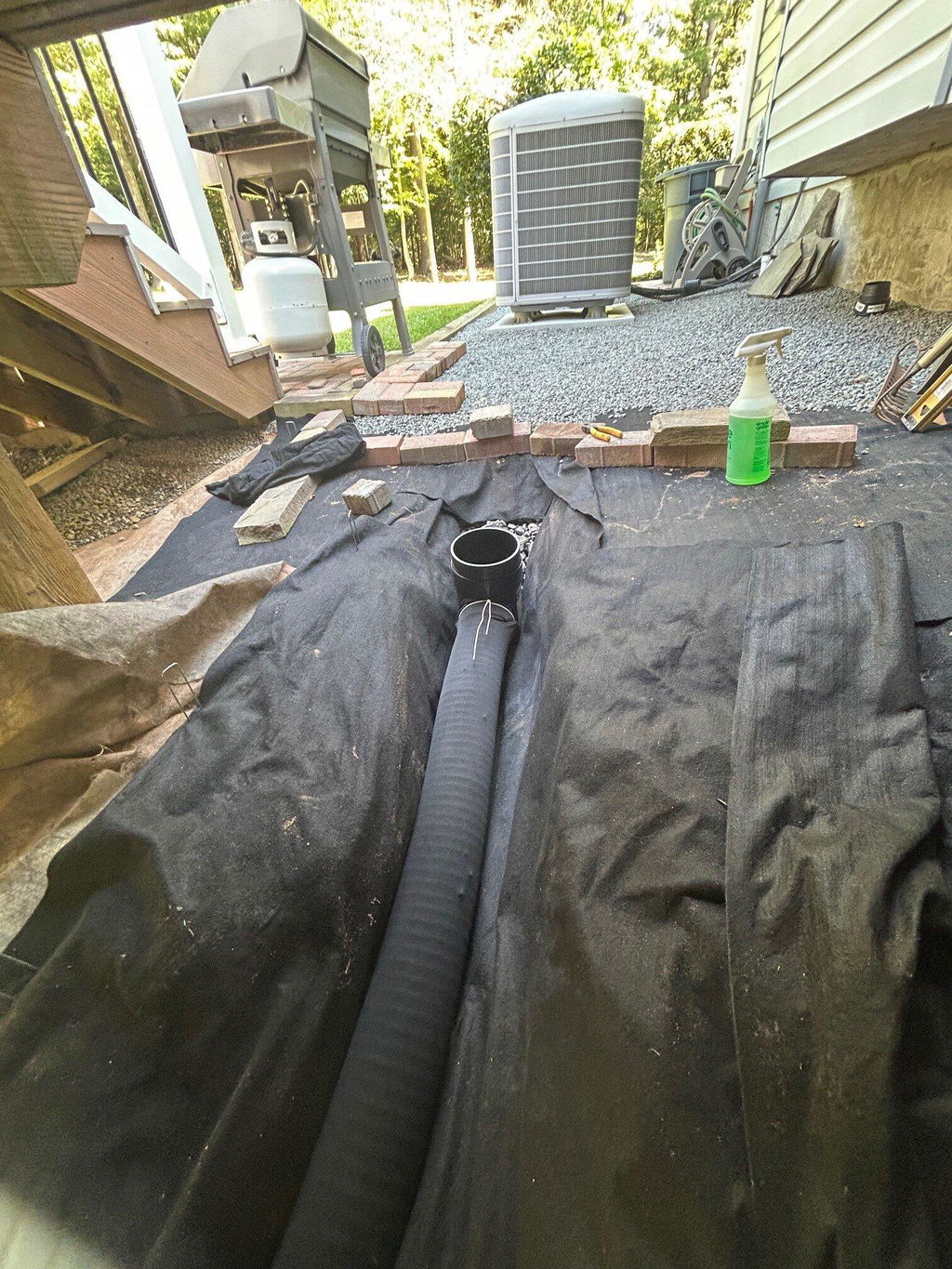
Many installers also wrap the perforated drain pipe at the base of the wall, or line the whole drainage trench, for the same reason.
Which fabric to use
- 4 oz non woven: most small garden and landscape walls.
- 6 oz non woven: taller walls, heavier stone, or when you want more puncture resistance while backfilling.
- 8 oz non woven: commercial and heavy duty work.
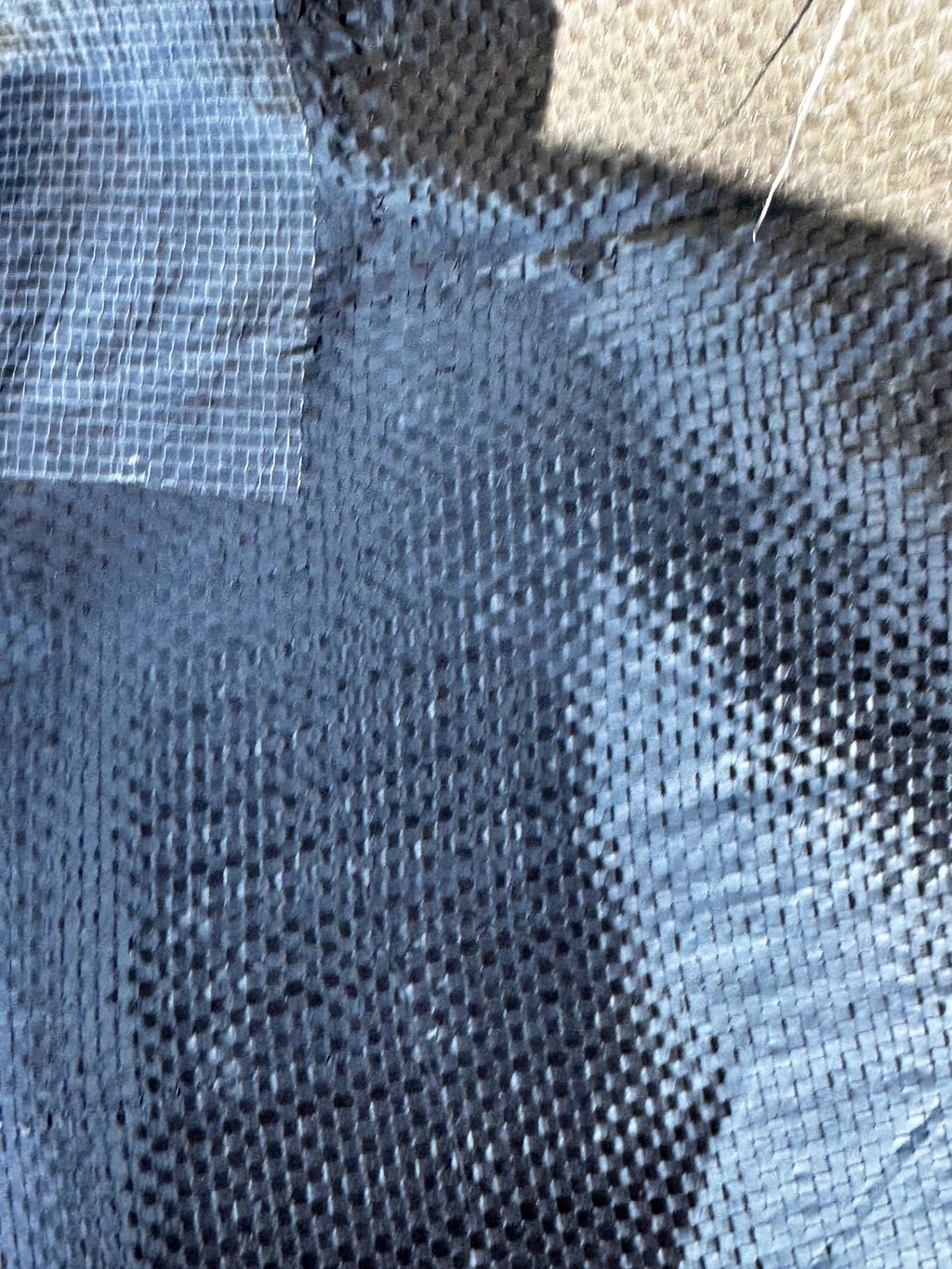
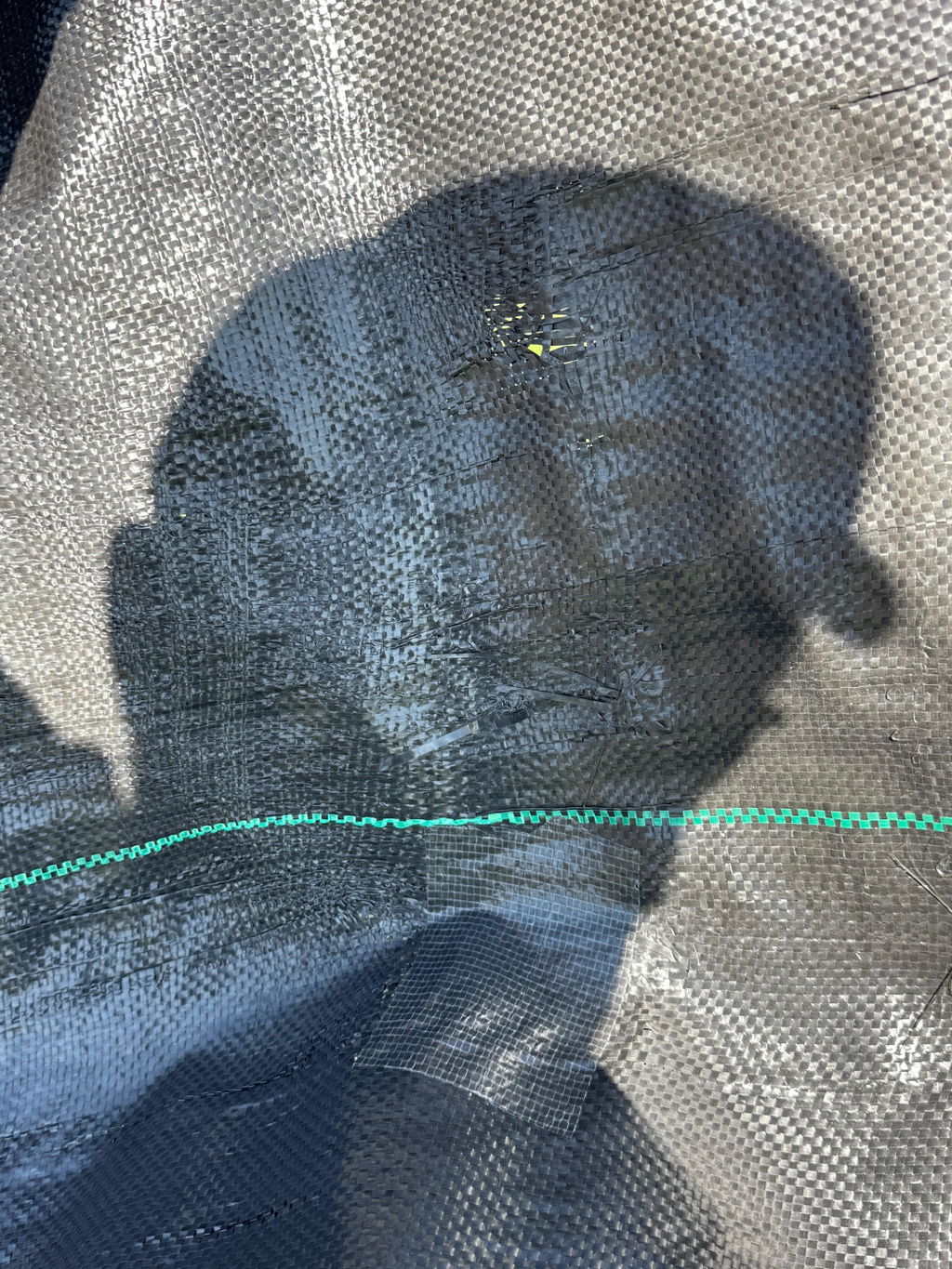
Use non woven here, not woven. Woven fabric doesn't pass water fast enough for a drainage zone. Some engineered walls also use layers of geogrid to reinforce the soil. That is a different product, so if your wall plans call for it, follow the plans.
Install steps
- Dig the base trench and build a compacted gravel leveling pad.
- Lay the first course of block.
- Line the back of the excavation with fabric, leaving extra at the top.
- Set the perforated drain pipe behind the first course, sloped so it drains to daylight or a storm outlet.
- As you build each course, fill behind the block with drainage stone, with backfill soil on the other side of the fabric.
- At the top, fold the fabric over the drainage stone and cap it with soil so surface water doesn't flush fines into the stone.
Note: Taller walls, or walls holding up a driveway or building, may need an engineered design. Your local building department can tell you what applies.