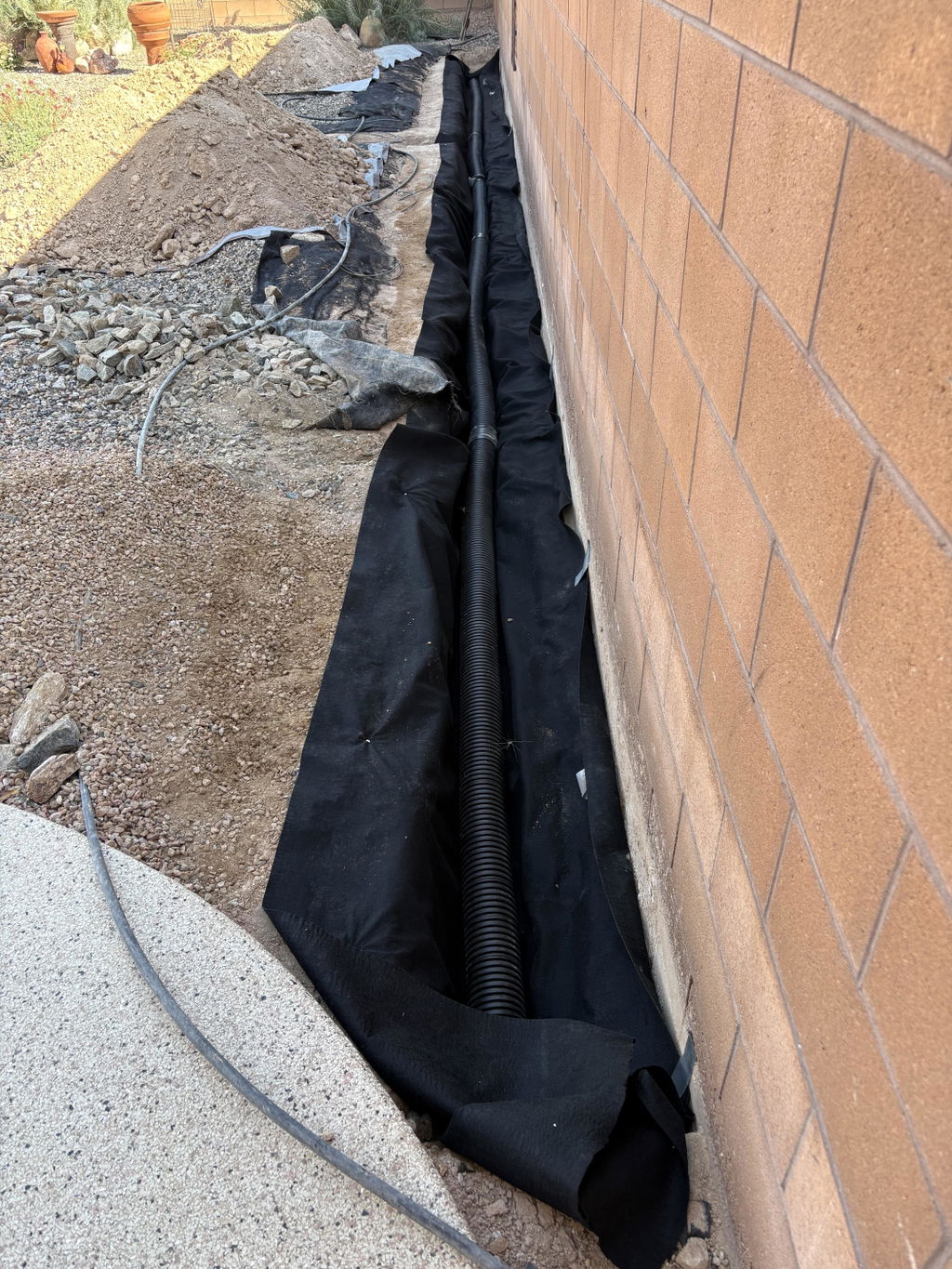
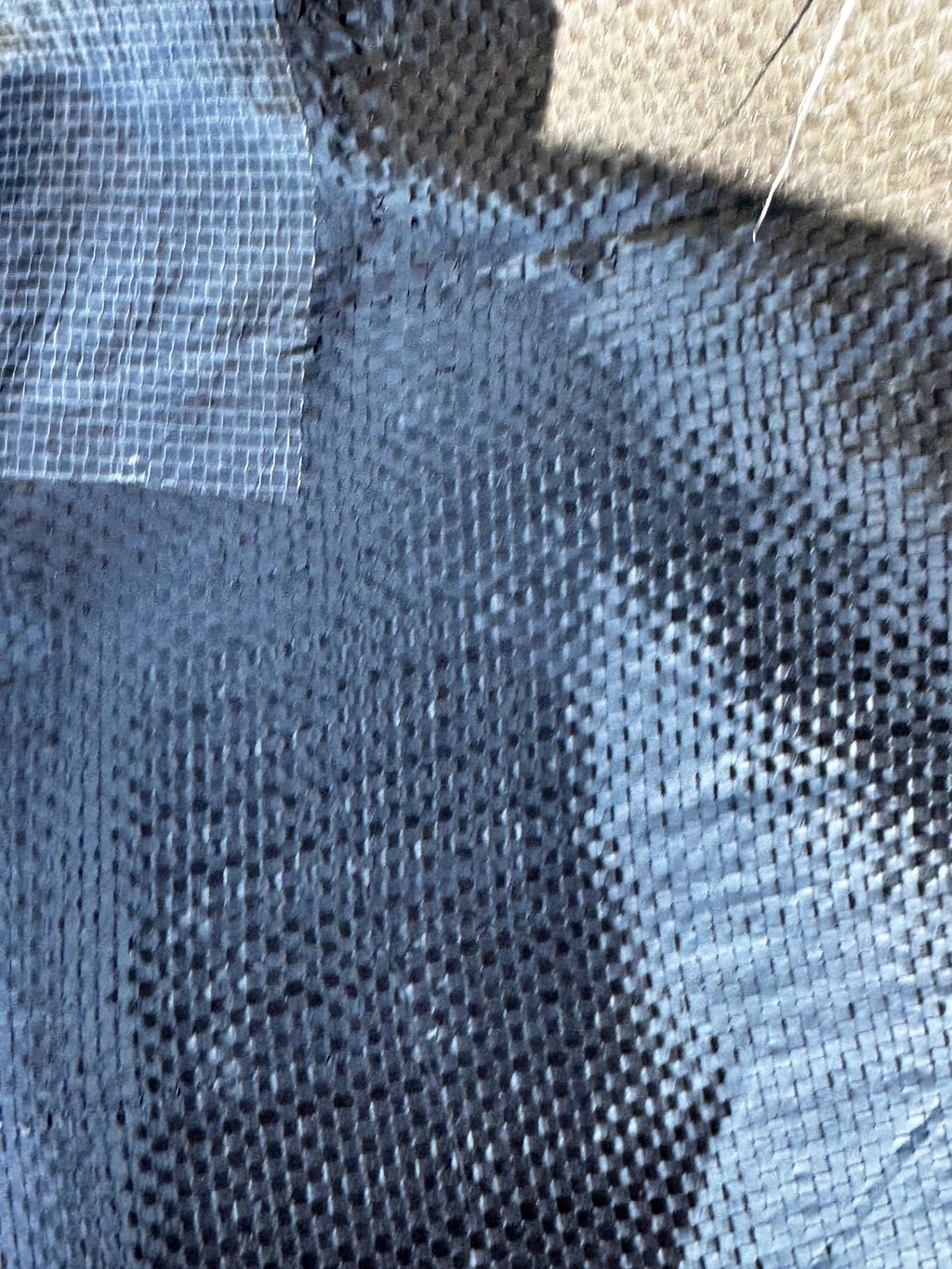
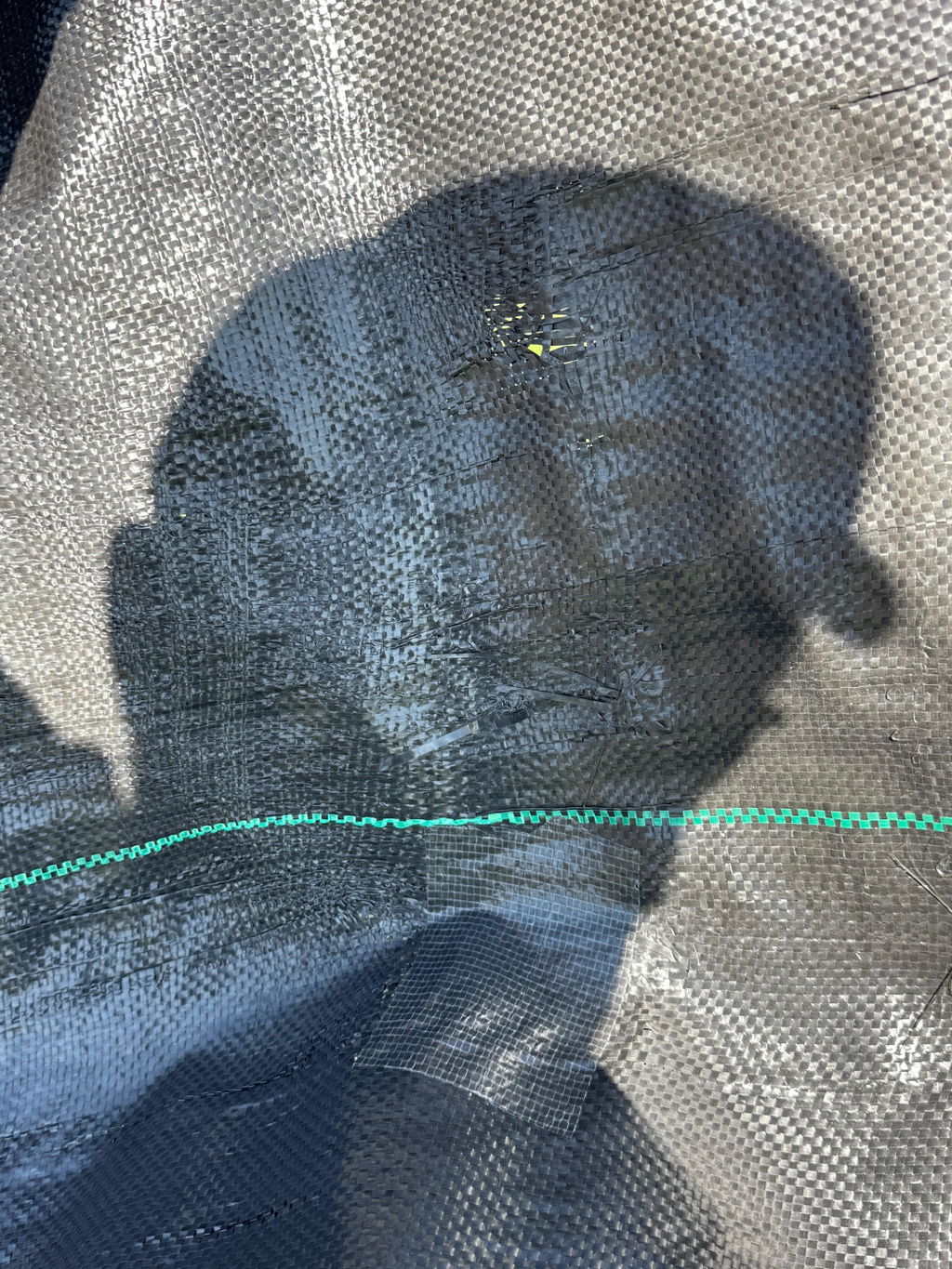
Running out of pins halfway through a job is frustrating. Buying three times too many is a waste. Here is a simple way to estimate how many landscape pins or staples you need for weed barrier, landscape fabric, geotextile, sod or erosion blankets.
A quick rule of thumb
For most weed barrier and landscape fabric jobs, you need fewer pins than people think:
- At each end of the roll: 2 pins, one in each corner.
- Along the length: 2 pins (one on each edge) every 5 feet.
- Wider rolls (6 ft and up): add a pin down the middle of each row so the center doesn't lift.
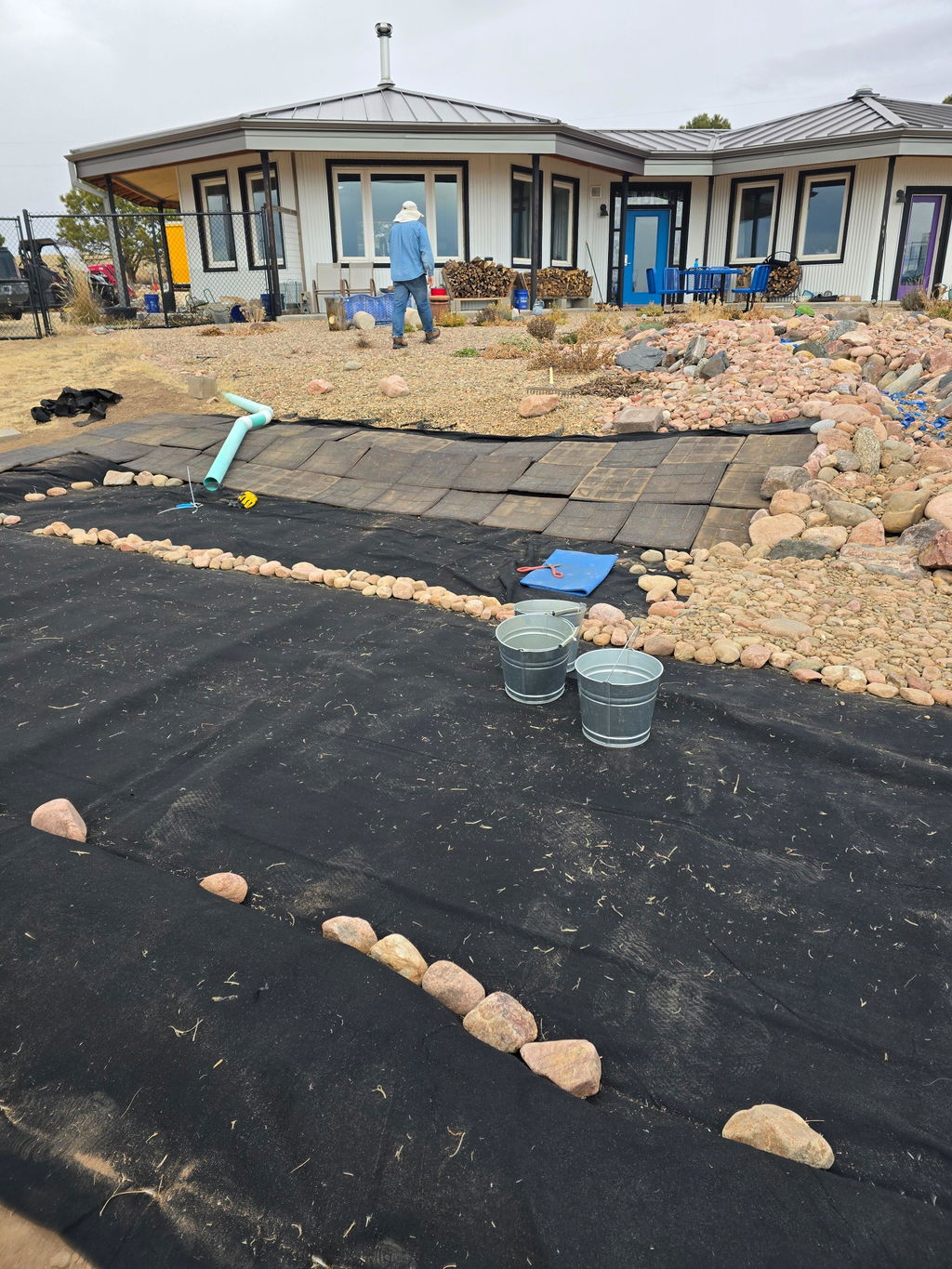
Add a few extra at seams, on slopes, in windy spots, and anywhere the fabric will sit uncovered for a while. Once mulch, rock or soil is on top, that does most of the holding.
Example estimates
| Roll size | Pins per row (every 5 ft) | Typical total |
|---|---|---|
| 3 ft x 100 ft | 2 | about 40 to 45 |
| 4 ft x 100 ft | 2 | about 40 to 45 |
| 6 ft x 100 ft | 3 | about 60 to 65 |
| 10 ft x 100 ft | 3 to 4 | about 60 to 85 |
So one 100 pack covers roughly two 100 ft rolls of 3 or 4 ft fabric. For bigger jobs, the 1000 pack costs less per pin.
Pins or staples?
Both work. The choice mostly comes down to the job:
- Circle top pins have a round head that is easy to push in by hand or with your foot, and the wide top holds fabric well without tearing it. A good pick for weed barrier and drip line.
- U-shaped staples have two legs, which gives more grip in loose soil and on slopes. A good pick for sod, erosion blankets and geotextile under stone.
Super Geotextile pins and staples are 6 inch, 11 gauge galvanized steel, sold in 100 packs for home projects and 1000 packs for contractors.
Tips for a better install
- Overlap fabric seams before you pin, then pin through both layers.
- In rocky or hard ground, a rubber mallet makes driving pins much easier.
- Cut an X in the fabric for plants instead of large holes, and pin around them if the fabric lifts.
Need fabric too?
Shop weed barrier, non woven geotextile or woven geotextile. Every order ships free.
Note: For erosion blankets or engineered jobs, follow the manufacturer or project spec for pin spacing.