If you are building or repairing a gravel driveway, putting fabric under the stone is one of the cheapest ways to make it last. But "geotextile" comes in two very different types, and picking the wrong one is a common mistake. Here is the short answer and the reasoning behind it.
The short answer
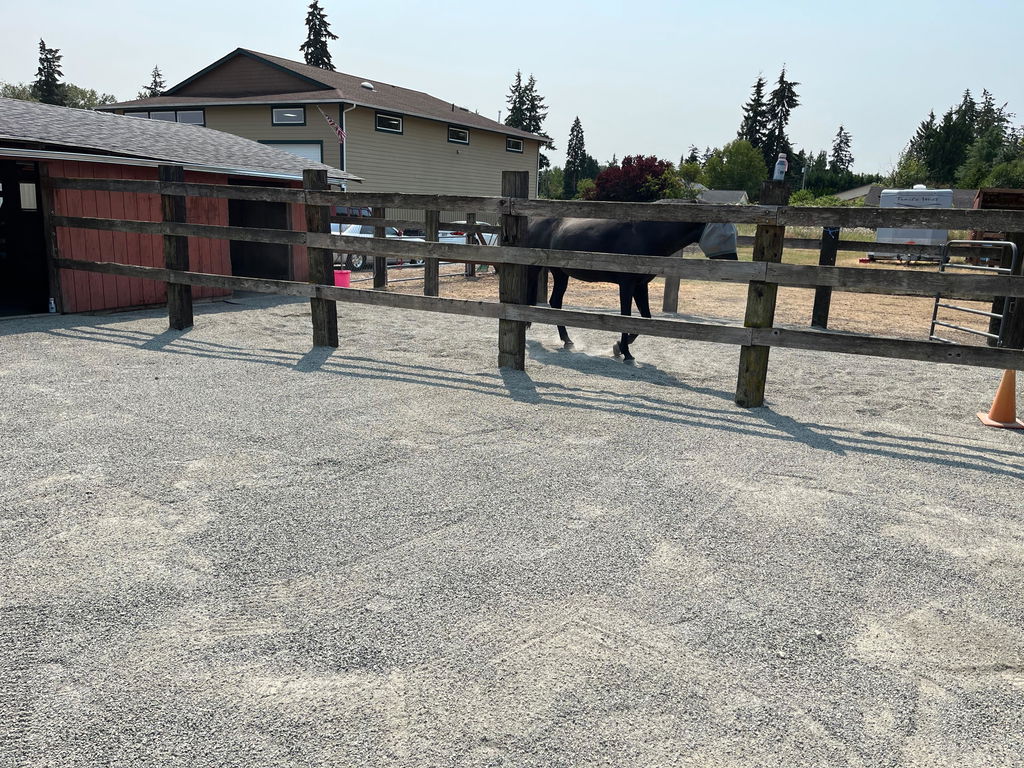
- Gravel driveways, parking pads and roads: use woven geotextile.
- Drainage, French drains and filtration: use non woven geotextile.
What woven geotextile does
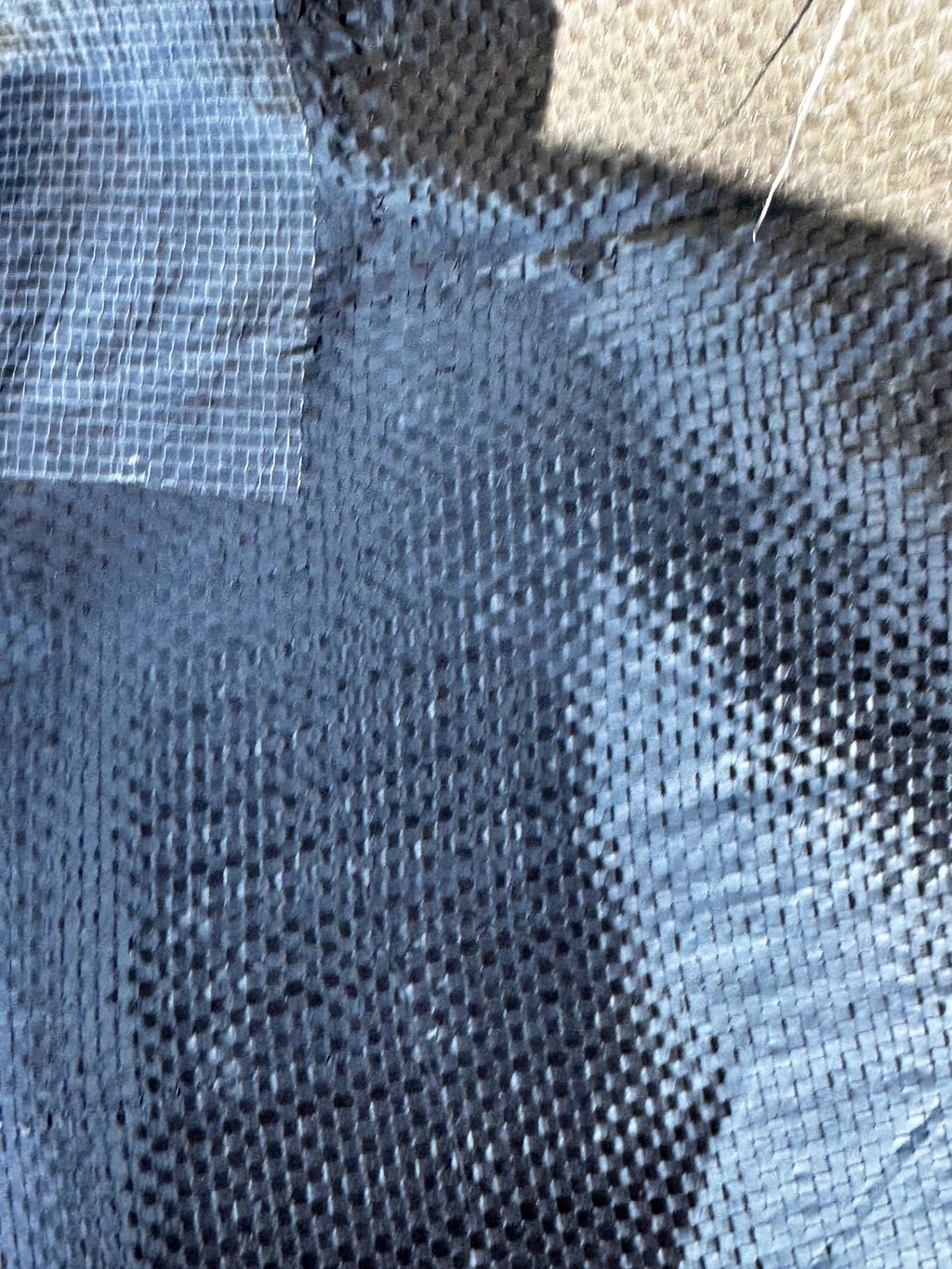
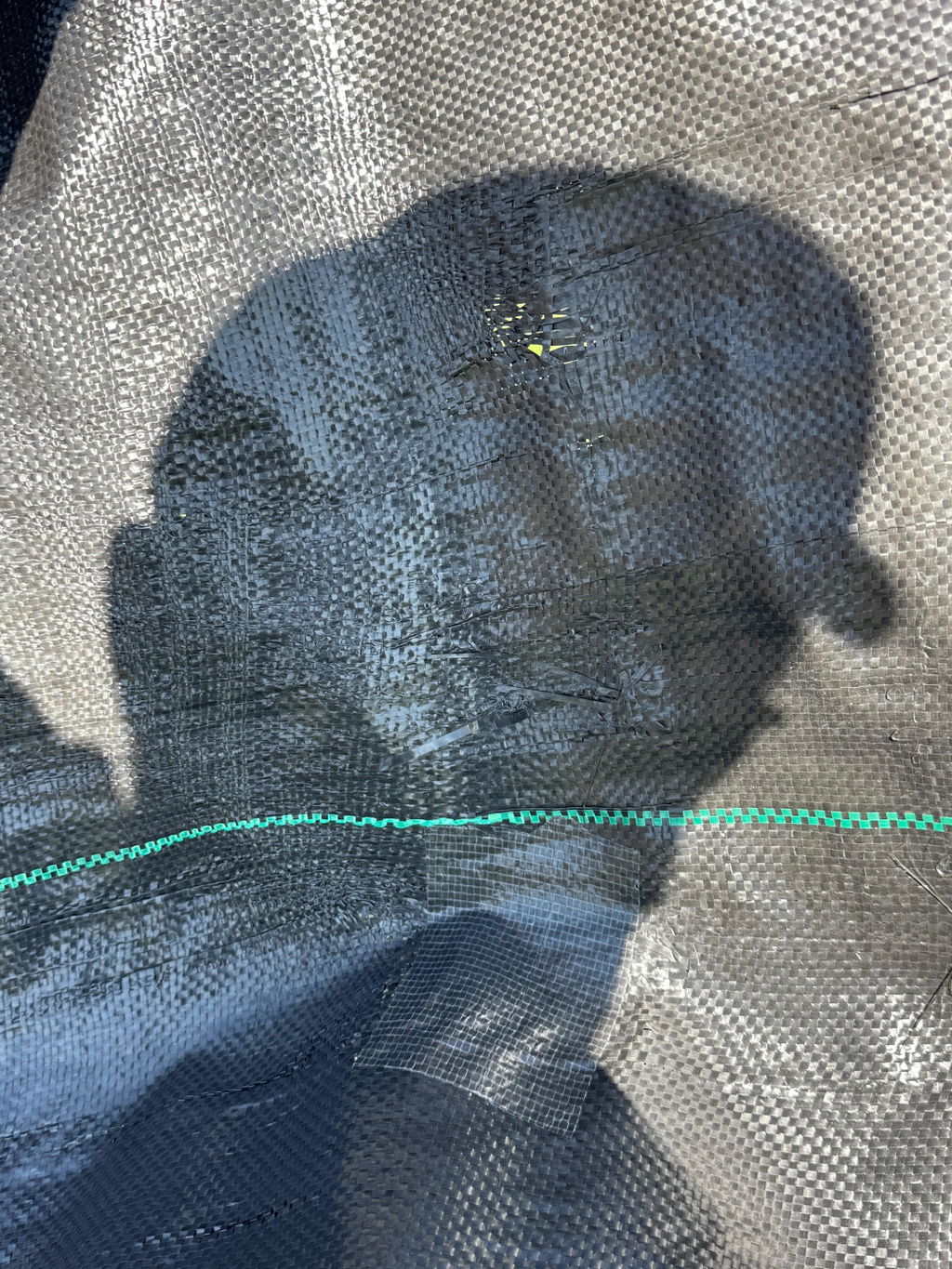
Woven geotextile is made from polypropylene strips woven together like a tarp. It is very strong in tension and does not stretch much. Under a driveway its main jobs are:
- Separation: it keeps your gravel from sinking into the soft soil below, and keeps mud from pumping up into the stone. That means less gravel to replace over time.
- Stabilization: it spreads the load from vehicles over a wider area, which helps reduce ruts and potholes.
Super Geotextile woven geotextile is a 4 oz woven polypropylene with 200 lb tensile strength and heat sealed ends. When buried it can last up to 50 years. It comes in widths up to 20 ft, so most driveways can be covered with one pass and no seams.
What non woven geotextile does
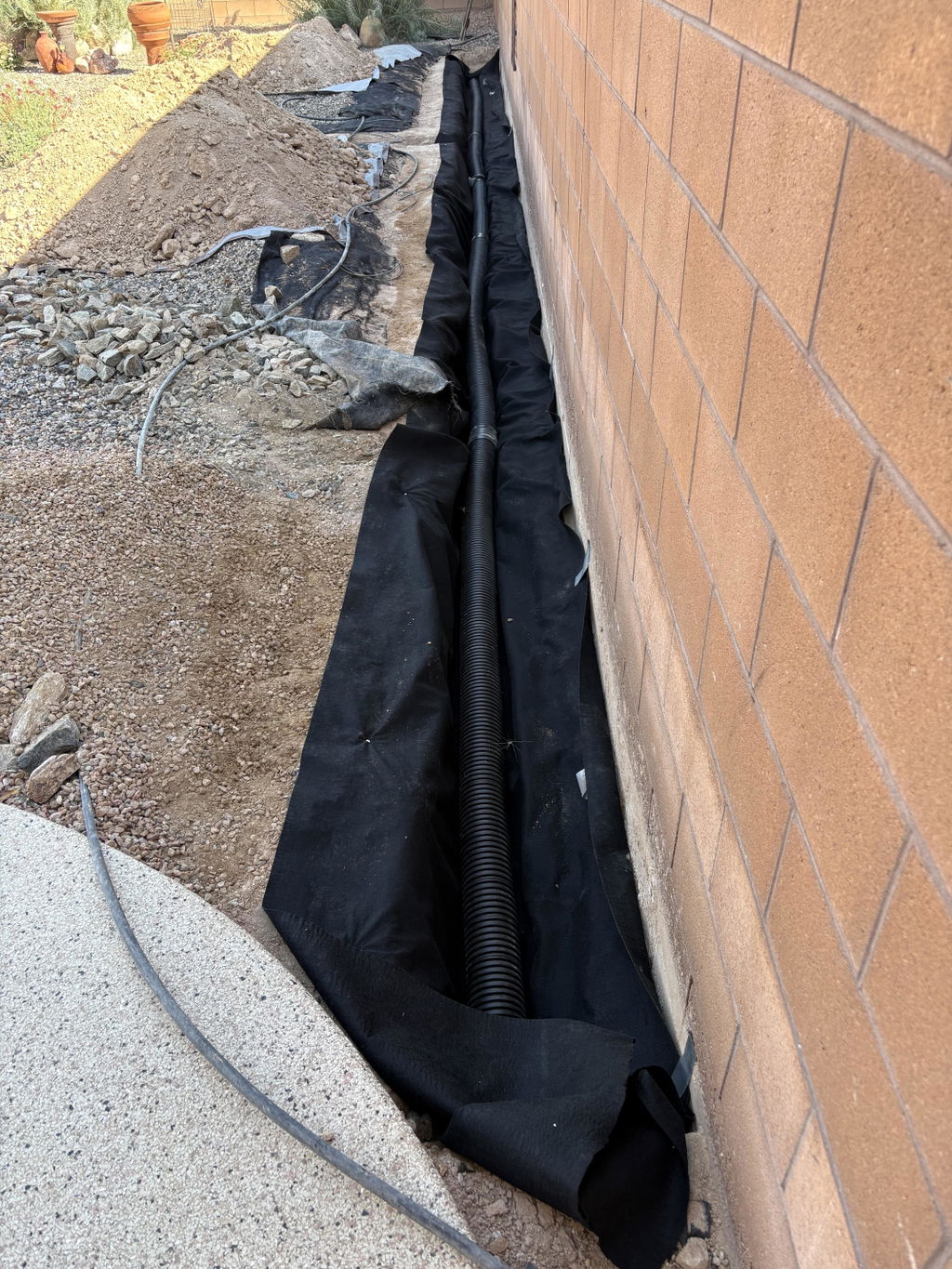
Non woven geotextile is double needle punched, so it looks and feels like felt. Water flows through it easily while soil particles stay behind. That makes it the right choice for:
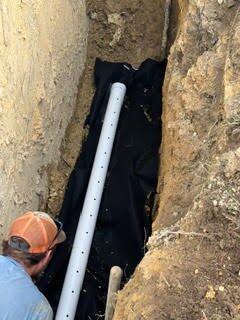
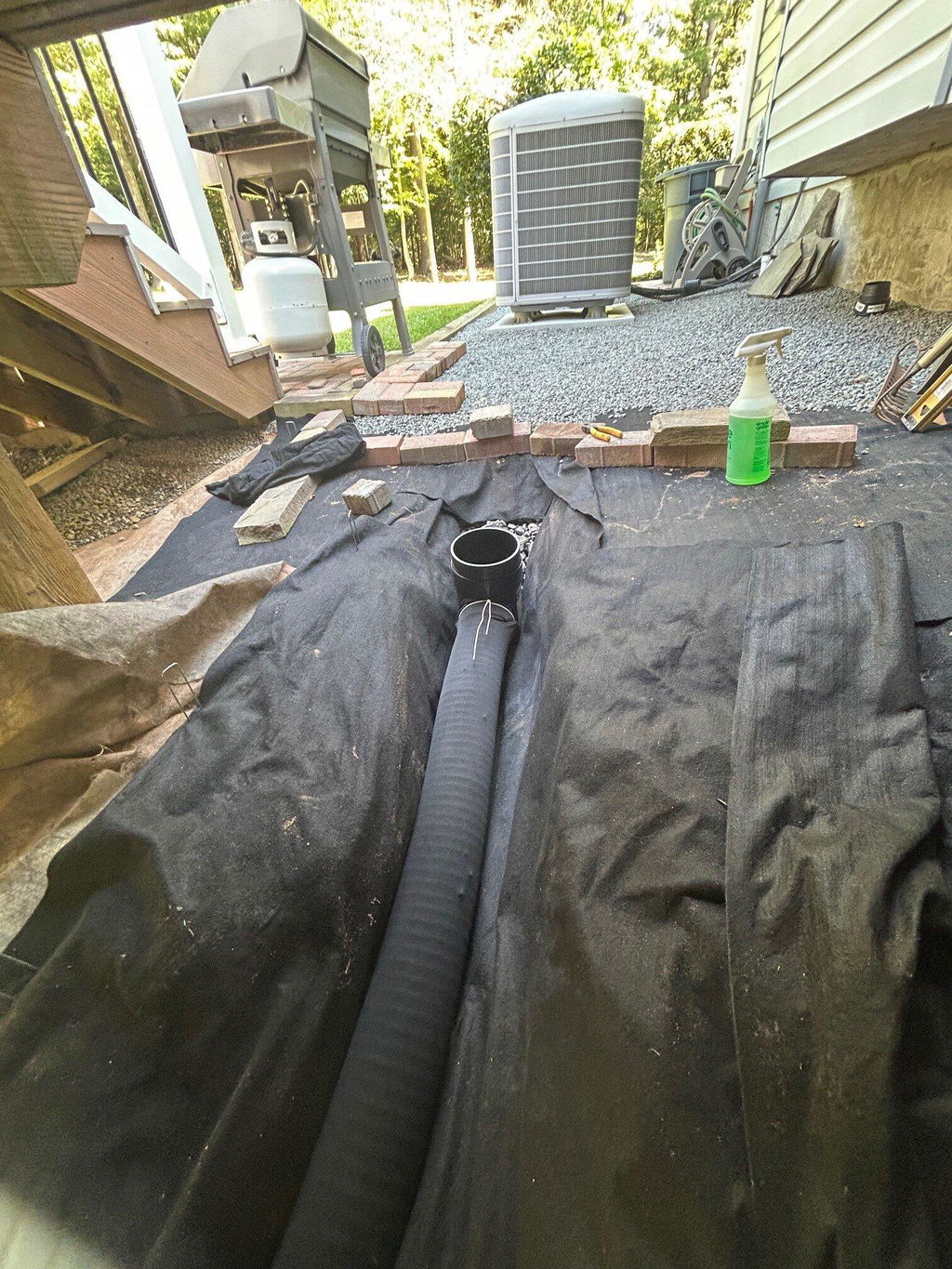
- French drains and downspout drains
- Behind retaining walls
- Under rip rap and erosion control stone
- Under pavers and patios, where drainage matters more than load support
Super Geotextile non woven comes in 4 oz, 6 oz and 8 oz weights. See our French drain fabric guide for how they compare.
Side by side
| Woven | Non woven | |
|---|---|---|
| Main job | Separation and stabilization | Filtration and drainage |
| Water flow | Low | High |
| Stretch | Very little | More |
| Best for | Driveways, parking areas, roads | French drains, retaining walls, rip rap |
How to install fabric under a gravel driveway
- Strip the topsoil and organic material, then grade and compact the base.
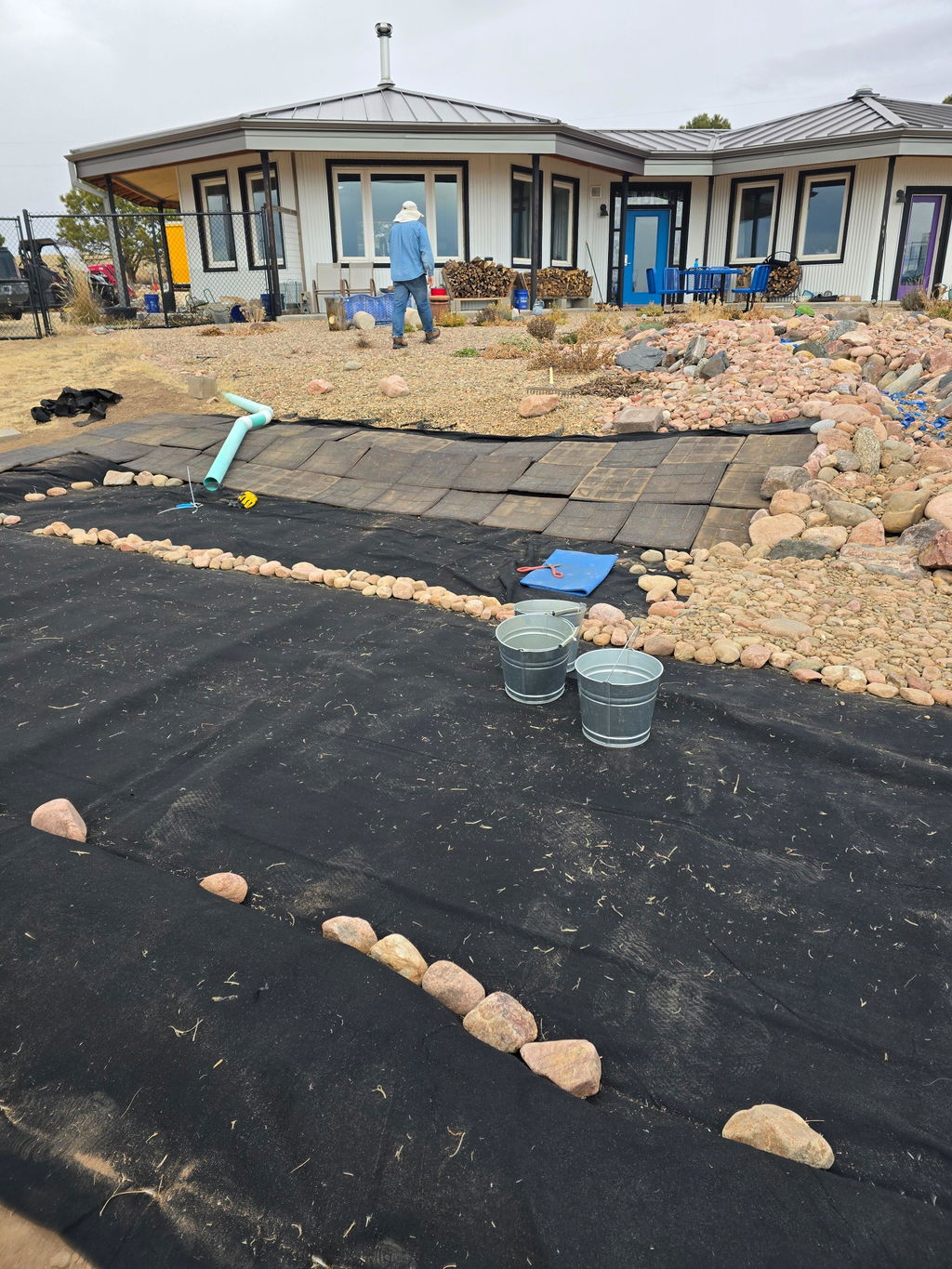
- Roll the woven fabric out flat and tight across the area. Avoid wrinkles.
- If you need more than one piece, overlap the edges. Softer soils need more overlap than firm ones.
- Pin the edges and seams with landscape pins to keep the fabric from shifting.
- Dump the gravel onto the fabric and spread it forward. Don't drive directly on bare fabric.
Still not sure?
Order a 1 ft x 1 ft sample of each to compare, or send us a message about your project. Every order ships free.