Riprap is one of the most durable ways to protect a shoreline, stream bank or drainage outlet. But rock alone is not enough. The layer of filter fabric under the stone is what keeps the soil from washing out, and most failed riprap jobs come down to skipping the fabric or installing it wrong.
Before you start
- Pick the right fabric. Use a heavy, double needle punched non woven. Our 8 oz is the best choice under riprap. 6 oz works for smaller stone on calm ponds.
- Plan your rock. Clean, angular or field stone around 6 to 12 inches is common for residential lakeshores. Bigger waves, ice or steeper banks call for bigger rock.
Step by step
- Grade the slope. Aim for about 3 feet horizontal to 1 foot vertical (3:1) or flatter where you can. Steeper slopes need larger rock and more care.
- Compact the bank. Loose fill will settle under tons of stone and pull the fabric with it.
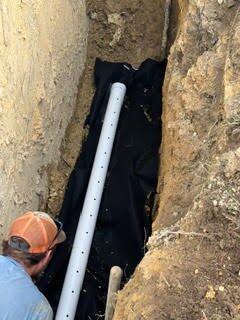
- Dig a toe trench at the bottom of the slope so the base of the rock is keyed in and can't slide out.
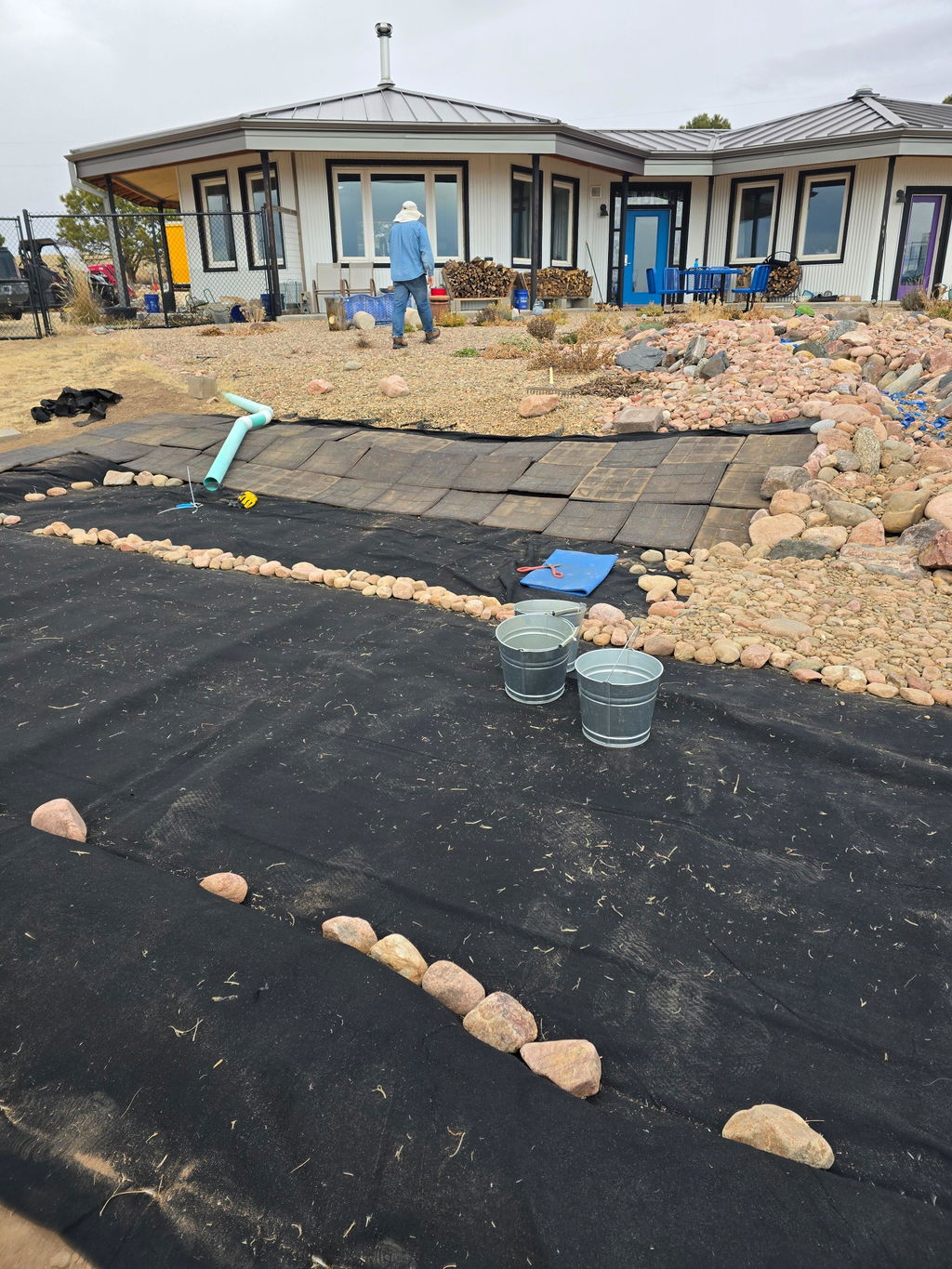
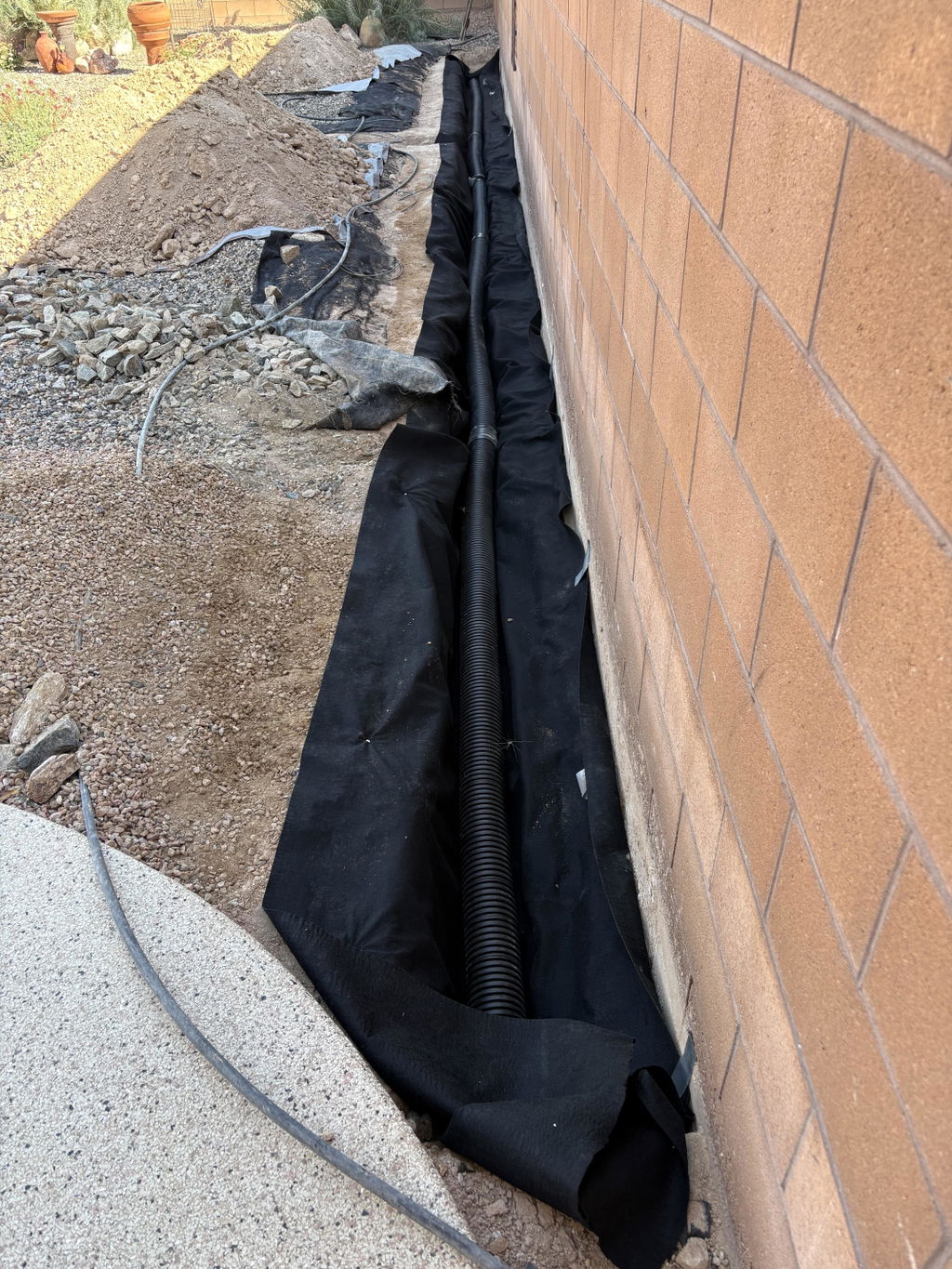
- Roll the fabric down the slope, top to bottom, and run it into the toe trench.
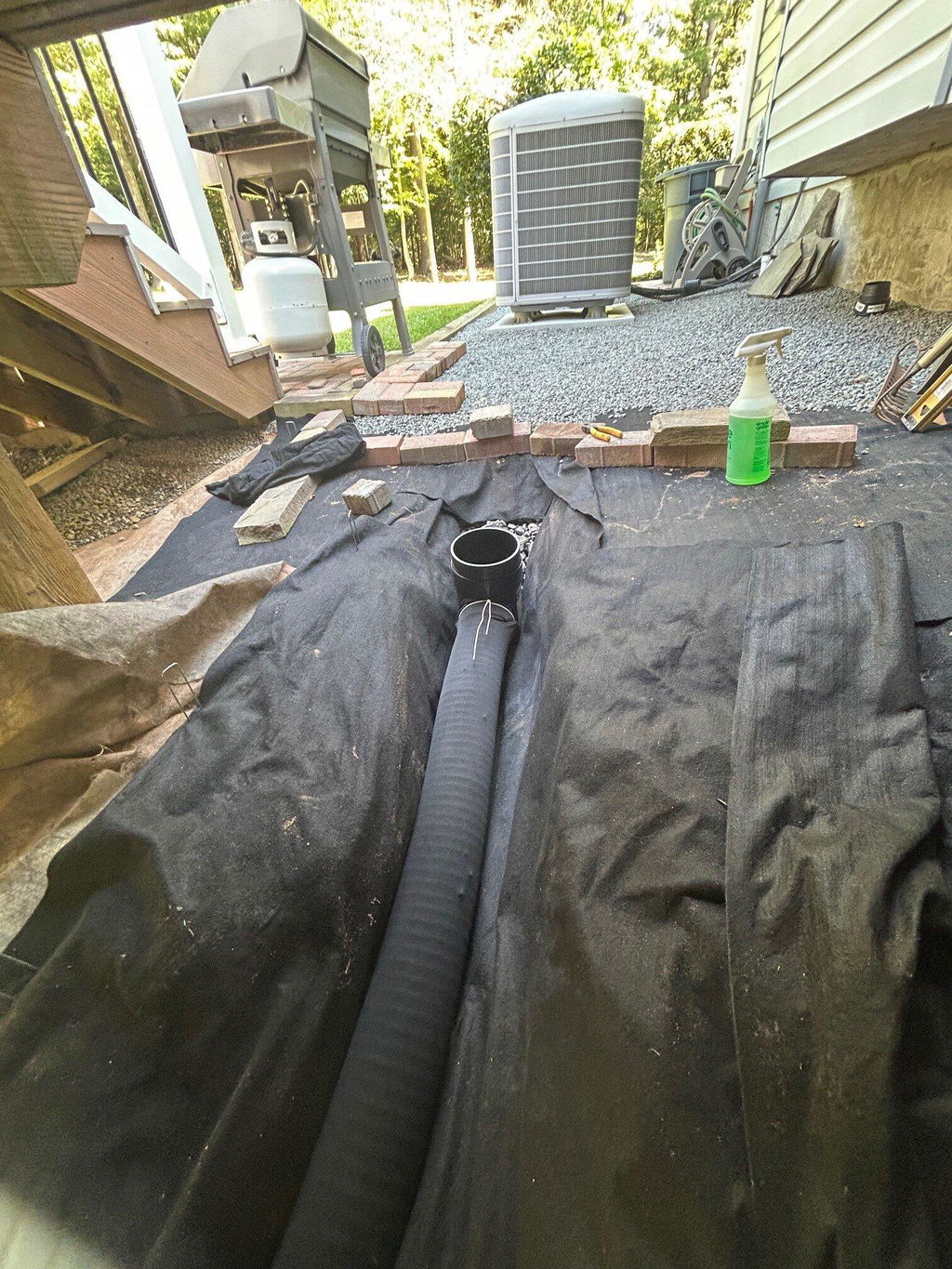
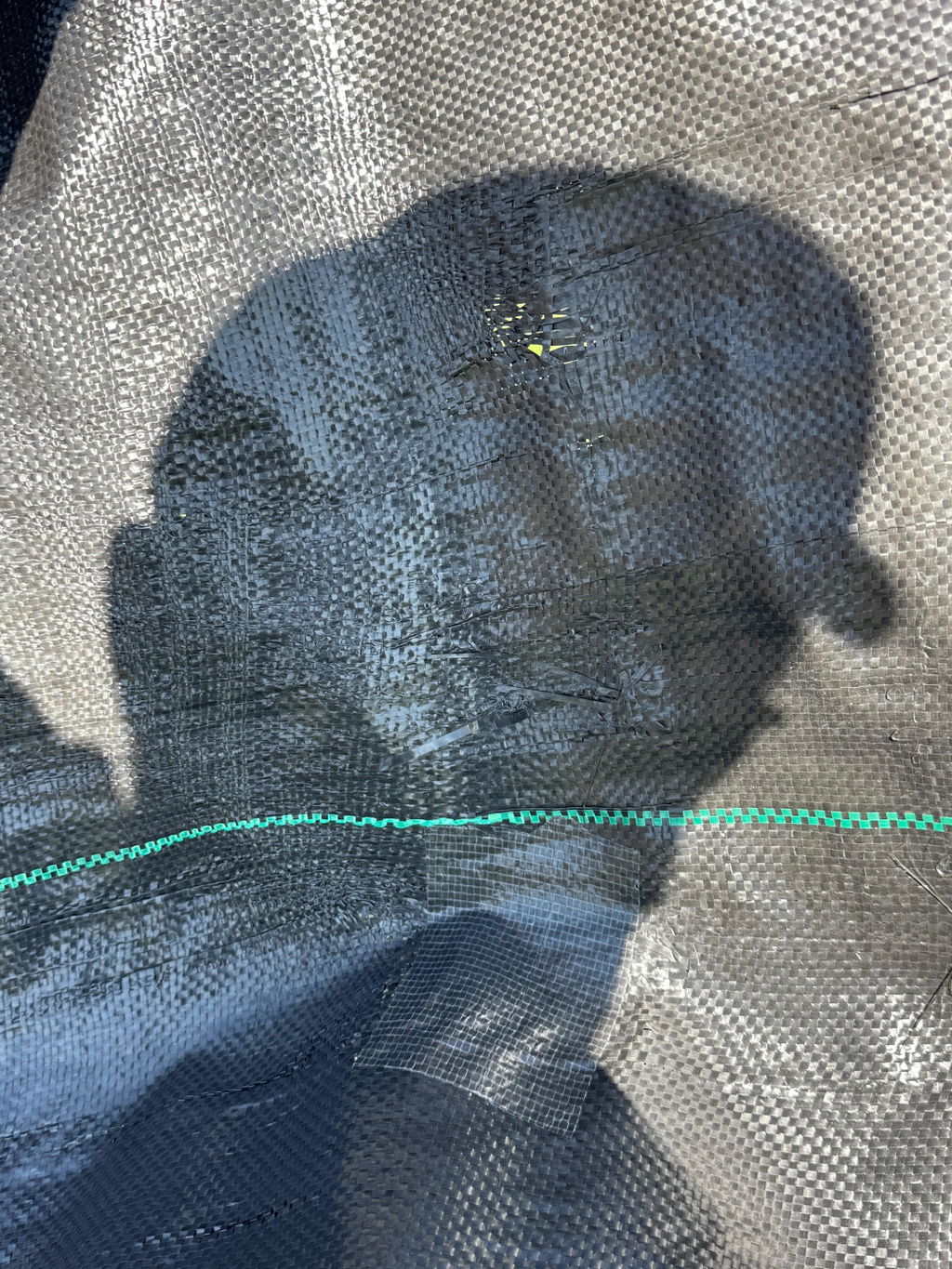
- Avoid seams if you can. If you need one, overlap generously (at least 18 inches, more in moving water) with the upslope piece on top so water flows over the seam, not under it.
- Staple it down with 6 inch landscape staples so it doesn't shift while rock is placed.
- Leave extra fabric at the top. A few extra feet lets you tuck it in or run it under a border so runoff can't wash out behind the rock.
- Place rock from the bottom up. Set stone, don't drop it from height. A layer of smaller bedding stone first helps protect the fabric.
Common mistakes
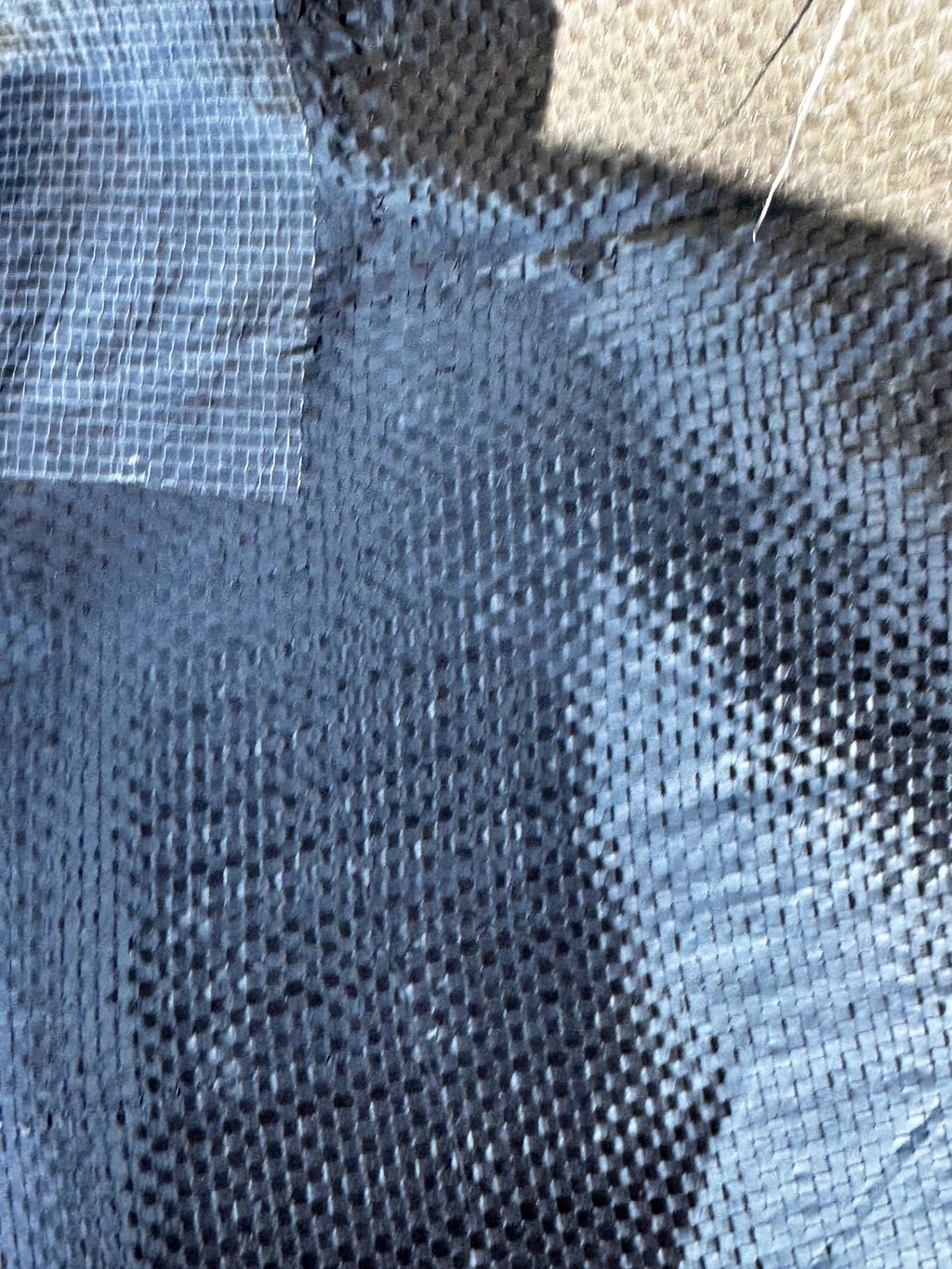
- Using woven fabric. Its openings can open up under heavy rock and let soil escape. See why non woven belongs under riprap.
- Using thin or spunbond fabric that tears when stone hits it.
- No toe trench, so the rock slides into the water.
- Seams shingled the wrong way.
- Dirty rock full of fines, which fills voids and traps water.
Shop 8 oz double needle punched non woven and landscape staples. Every order ships free.
Note: Shoreline and waterway work may need a permit in some areas. If you are unsure, check with your local natural resources office.