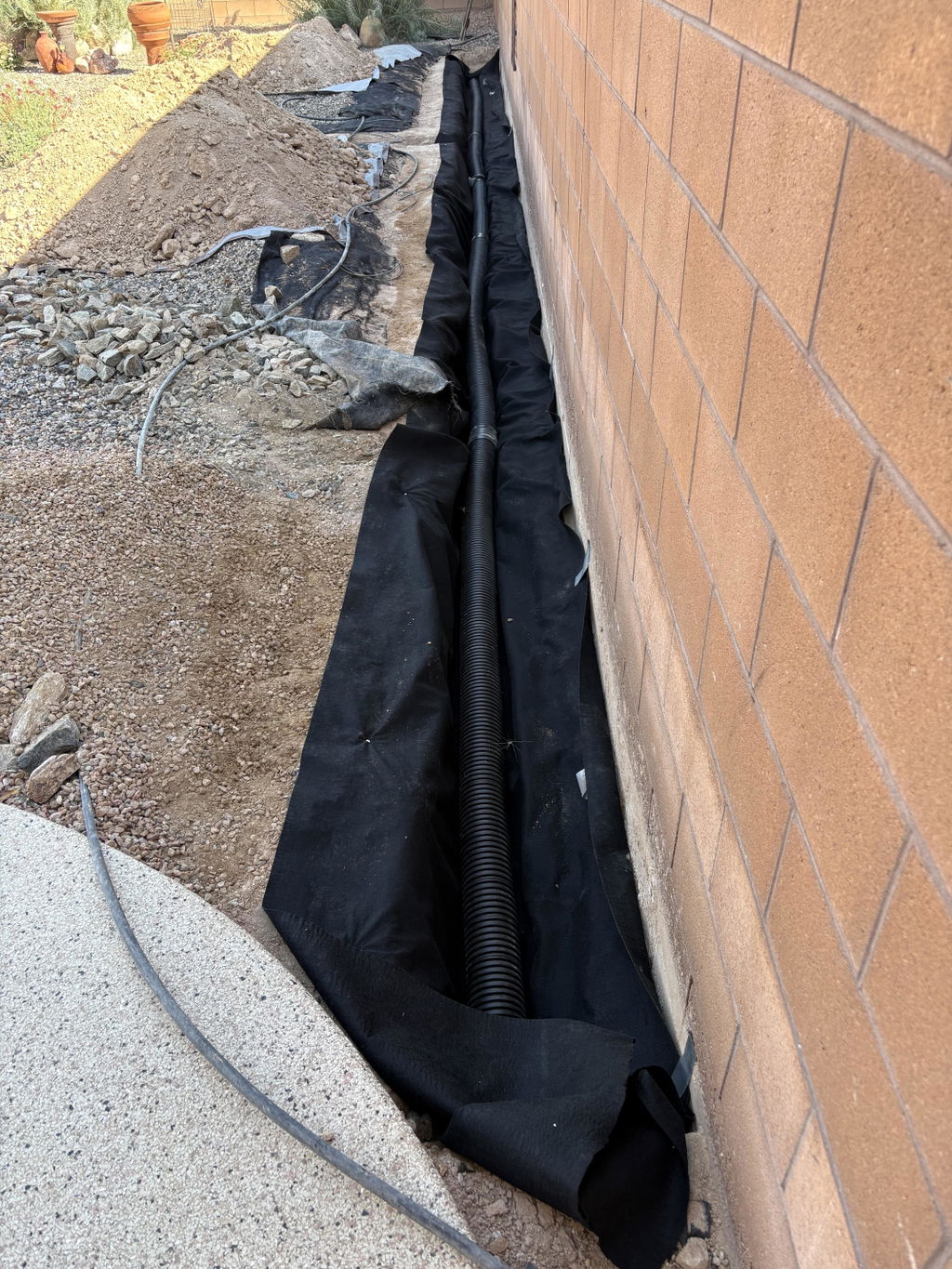
Woven geotextile is excellent under gravel driveways. Under riprap on a shoreline, it is usually the wrong choice. Here is why non woven filter fabric is the standard for rock armoring.
What fabric under riprap has to do
- Hold soil in place while water moves in and out with waves, rain and groundwater.
- Let water through in both directions, so pressure doesn't build up behind the rock.
- Survive sharp, heavy stone being placed on top of it.
- Stay in contact with the soil as the bank settles.
Why non woven wins
Needle punched non woven fabric is a thick mat of tangled fibers. It flows water easily, keeps fine soil behind it, and its small openings stay small even when the fabric stretches over uneven ground. It is also flexible, so it drapes into low spots instead of bridging over them.
Double needle punched fabric takes that further: the fibers are locked together more thoroughly, so it resists punctures and tears from rock better than lighter or single punched fabric.
Why woven is a poor fit
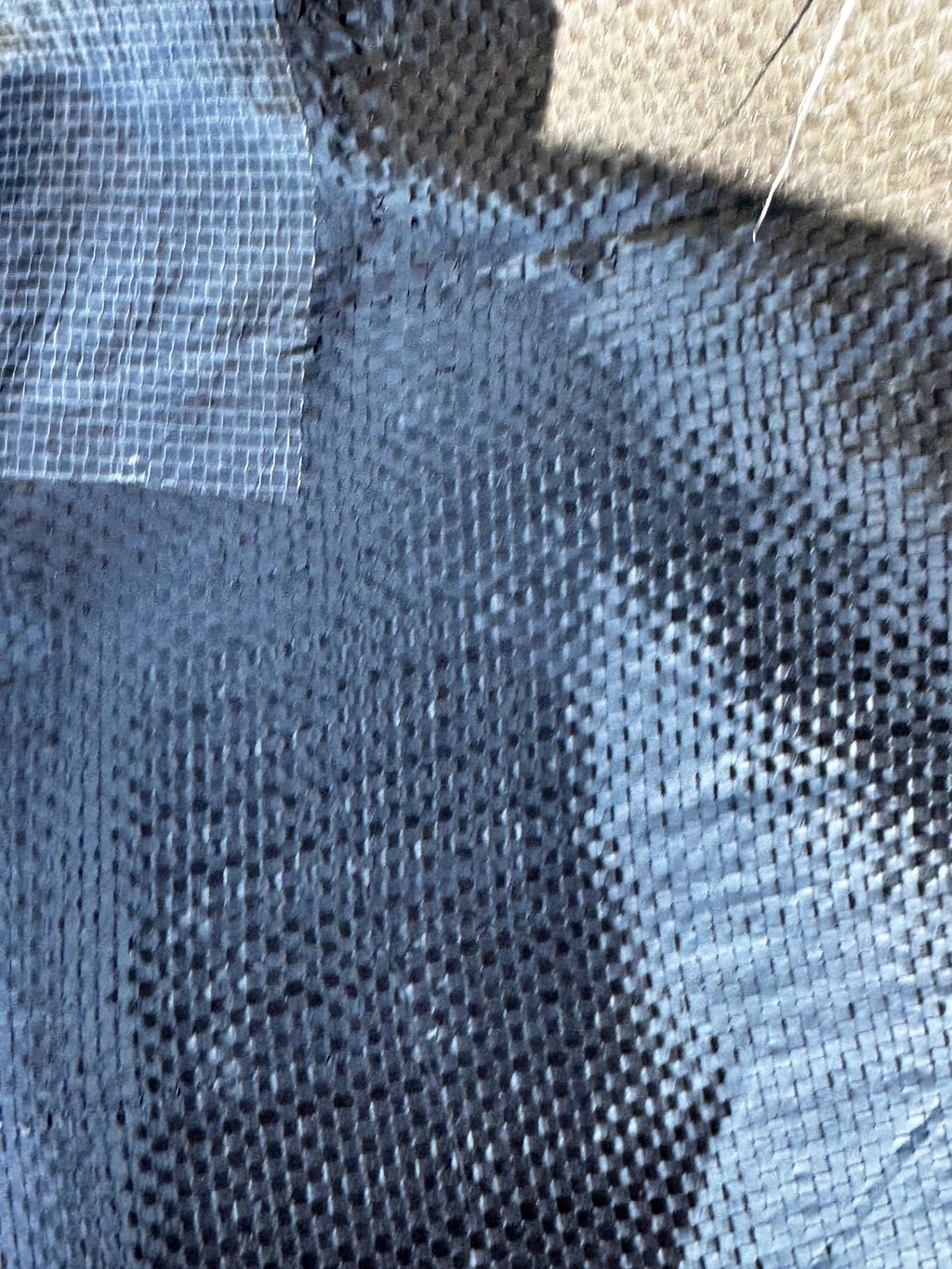
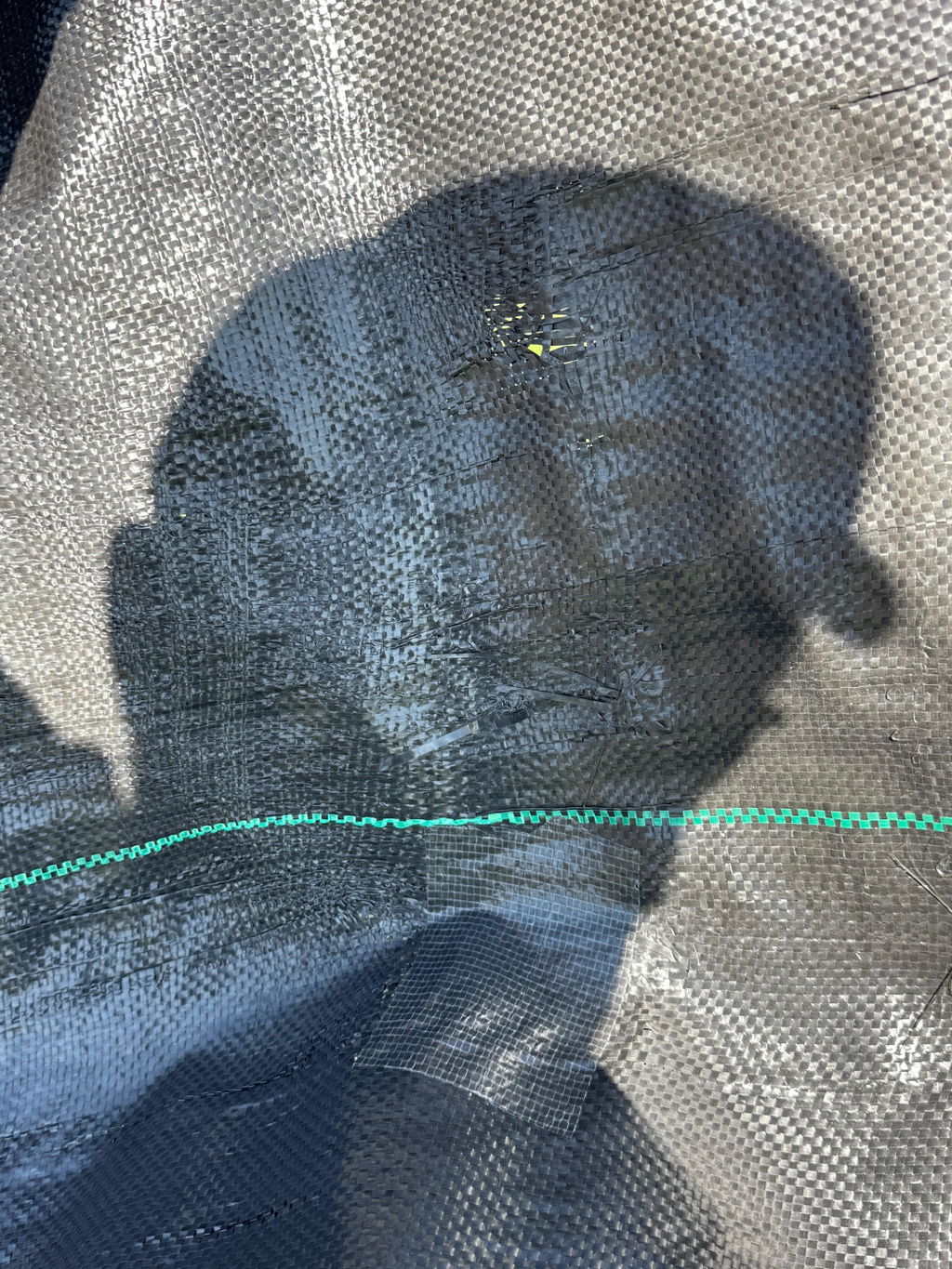
Woven fabric is made of flat tapes woven together. It is very strong in tension but passes water slowly, and under heavy rock on uneven ground the weave can open up and let soil wash through. On a shoreline that is constantly wetting and draining, that is how banks slowly hollow out behind the stone.
What weight to use
- 8 oz non woven: the go-to under riprap, larger stone, waves and ice.
- 6 oz non woven: smaller stone on sheltered ponds and small streams.
Next step: our riprap installation guide. Shop non woven geotextile. Every order ships free.