If you live on a northern lake, you have probably seen it: a shoreline that looked fine in fall is pushed up, buckled or scraped bare by spring. That is ice at work.
How ice damages a shoreline
- Ice jacking: lake ice cracks during cold snaps, water fills the cracks and refreezes, and the sheet expands. That expansion pushes into the shore again and again over a winter.
- Wind-driven ice: in spring, wind can push loose ice sheets into the shore and pile them up against the bank.
- Pressure ridges: ridges that form close to shore can shove soil and stone around.
Cold winters with little snow cover and high water levels tend to be the worst, because the ice is thicker and moves more.
Why unprotected banks fail
Each push moves a little soil. Once the bank is disturbed, waves and runoff carry the loose material away. Over a few seasons, the shoreline retreats.
What helps
- A gentle slope. Ice tends to ride up a flatter slope instead of shoving straight into the bank.
- Well placed riprap with stone big enough that ice can't easily move it.
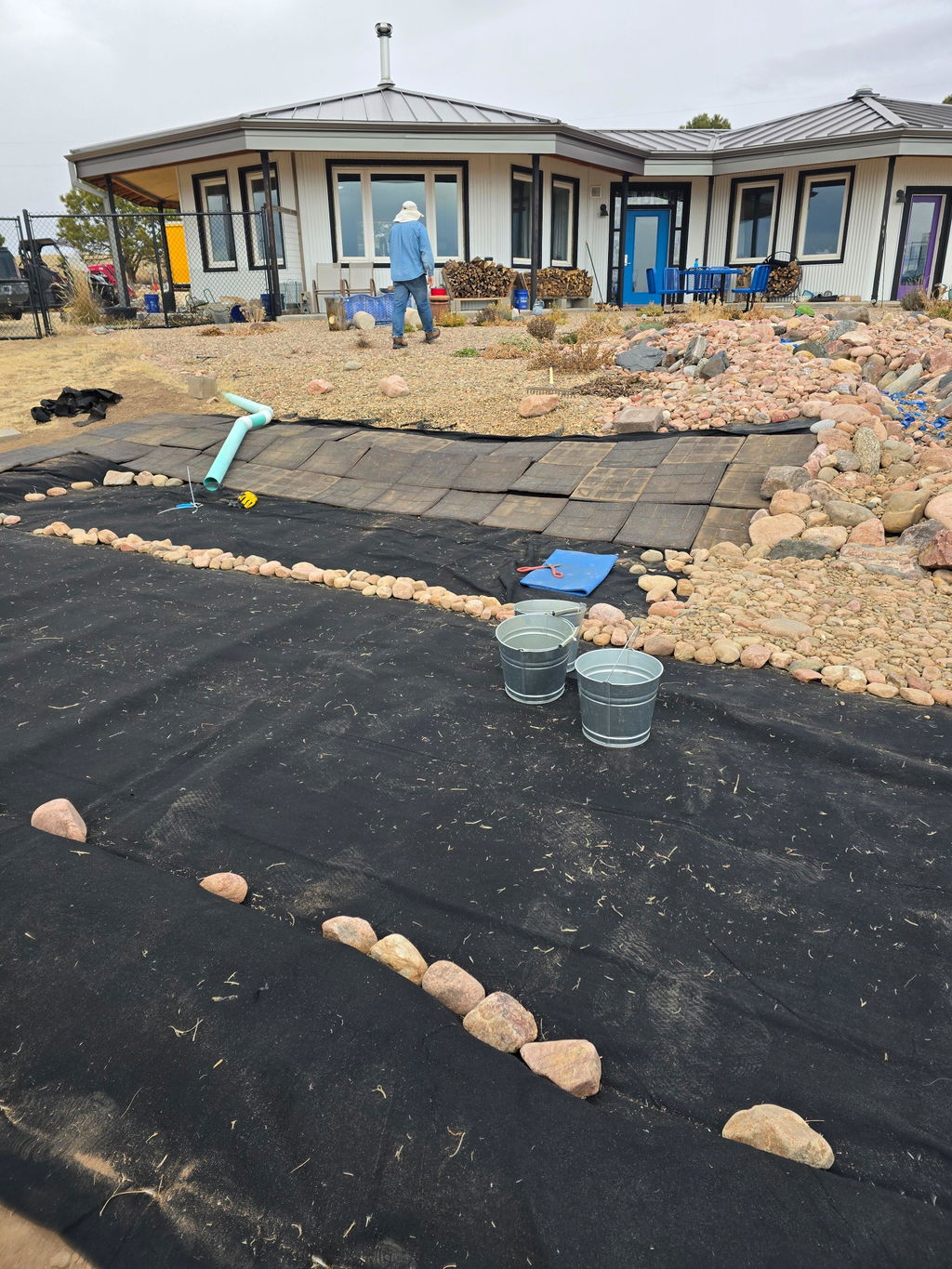
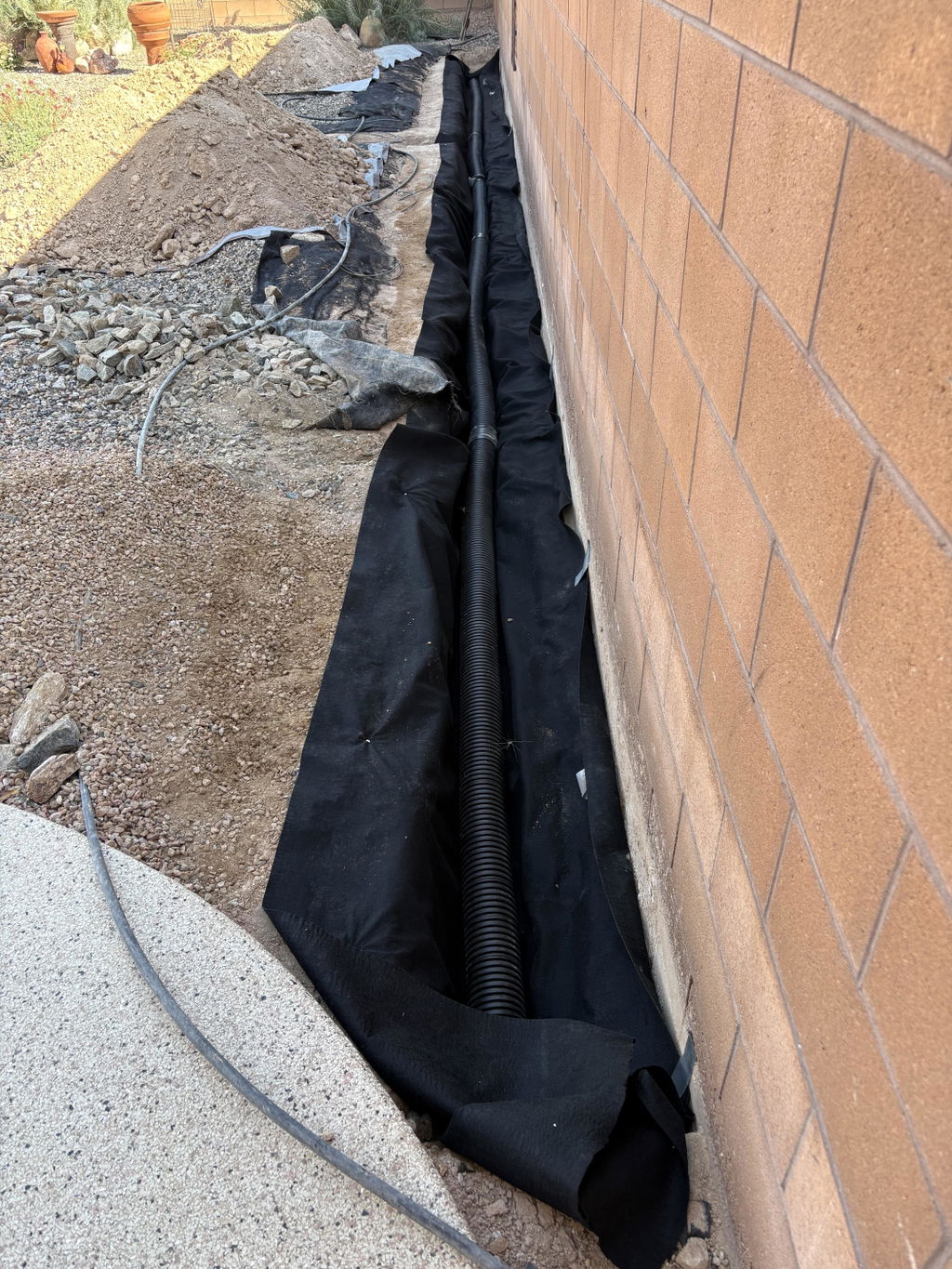
- Heavy non woven filter fabric under the rock, so even when stones shift, the soil underneath stays put. Our 8 oz double needle punched non woven is built for this kind of abuse.
- Extra fabric at the top so ice and runoff can't get behind the rock.
No shoreline is completely immune to ice, and severe events can still move rock. Some years you may need to reset a few stones. A good fabric layer is what keeps that from turning into lost ground.
See our riprap installation guide and shoreline erosion guide. Every order ships free.