Creeks and rivers erode banks differently than lakes. Instead of waves, the problem is current: water running along the bank and scouring the outside of bends, especially during floods. Fabric and rock can stop that, but the details matter more in moving water.
Fabric choice
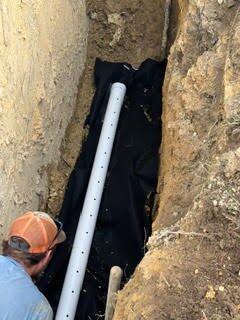
Use heavy double needle punched non woven. Our 8 oz is the safest pick for flowing water and larger stone. It holds soil behind the rock while letting groundwater drain out of the bank.
Layout tips for moving water
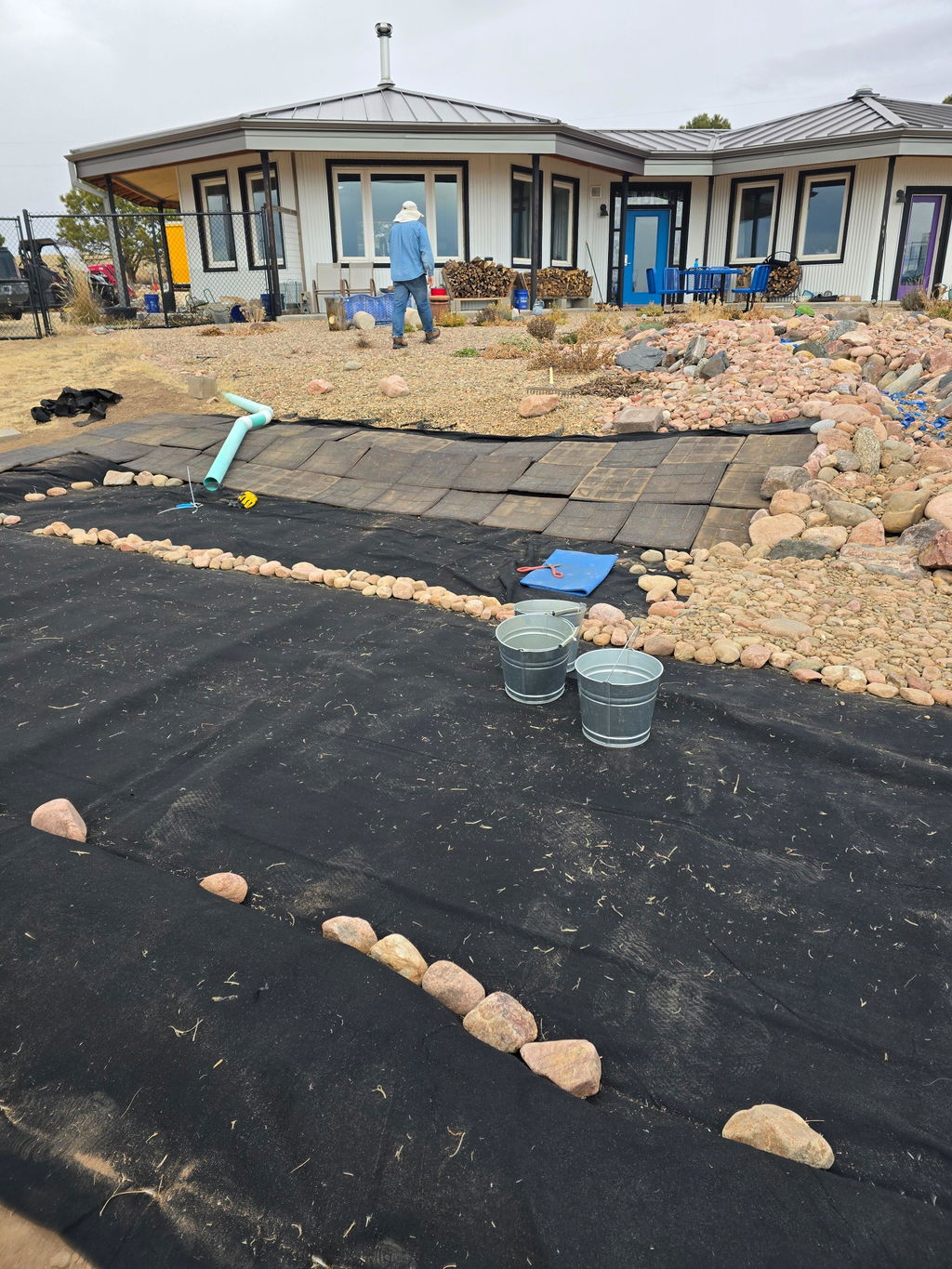
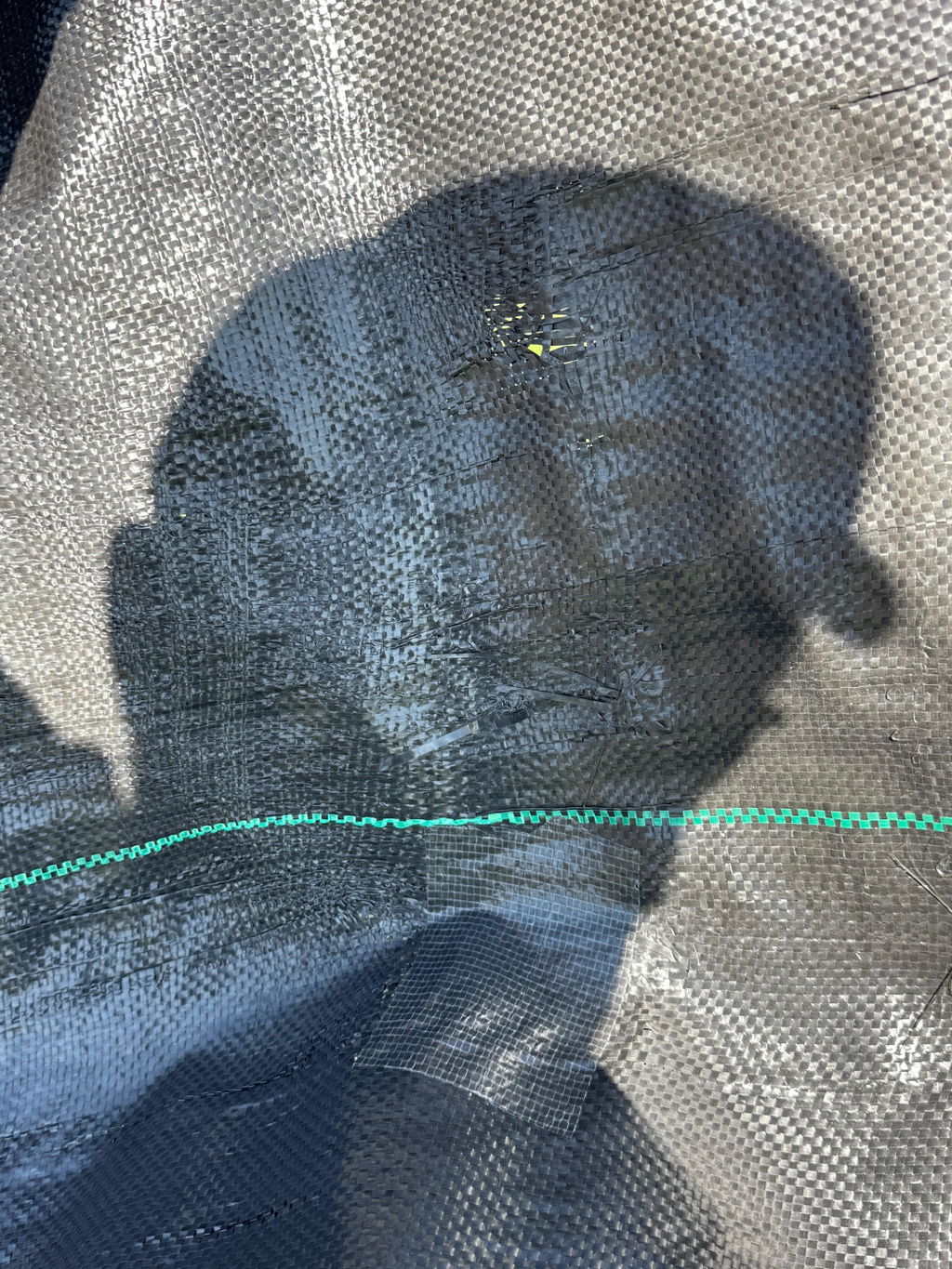
- Lay fabric so the current can't get under it. Overlap seams with the upstream piece on top, so water flows over the joint instead of into it.
- Overlap more than you would on a lake, at least 18 to 24 inches.
- Key the bottom edge in below the streambed or in a toe trench so the current can't undercut the fabric.
- Tie the top in by burying the upper edge or running it well past the top of the rock.
- Extend past the problem area upstream and downstream, so the current doesn't start eating the bank at the ends.
Install steps
- Grade the eroded bank back to a stable slope and compact it.
- Dig a toe trench at the base.
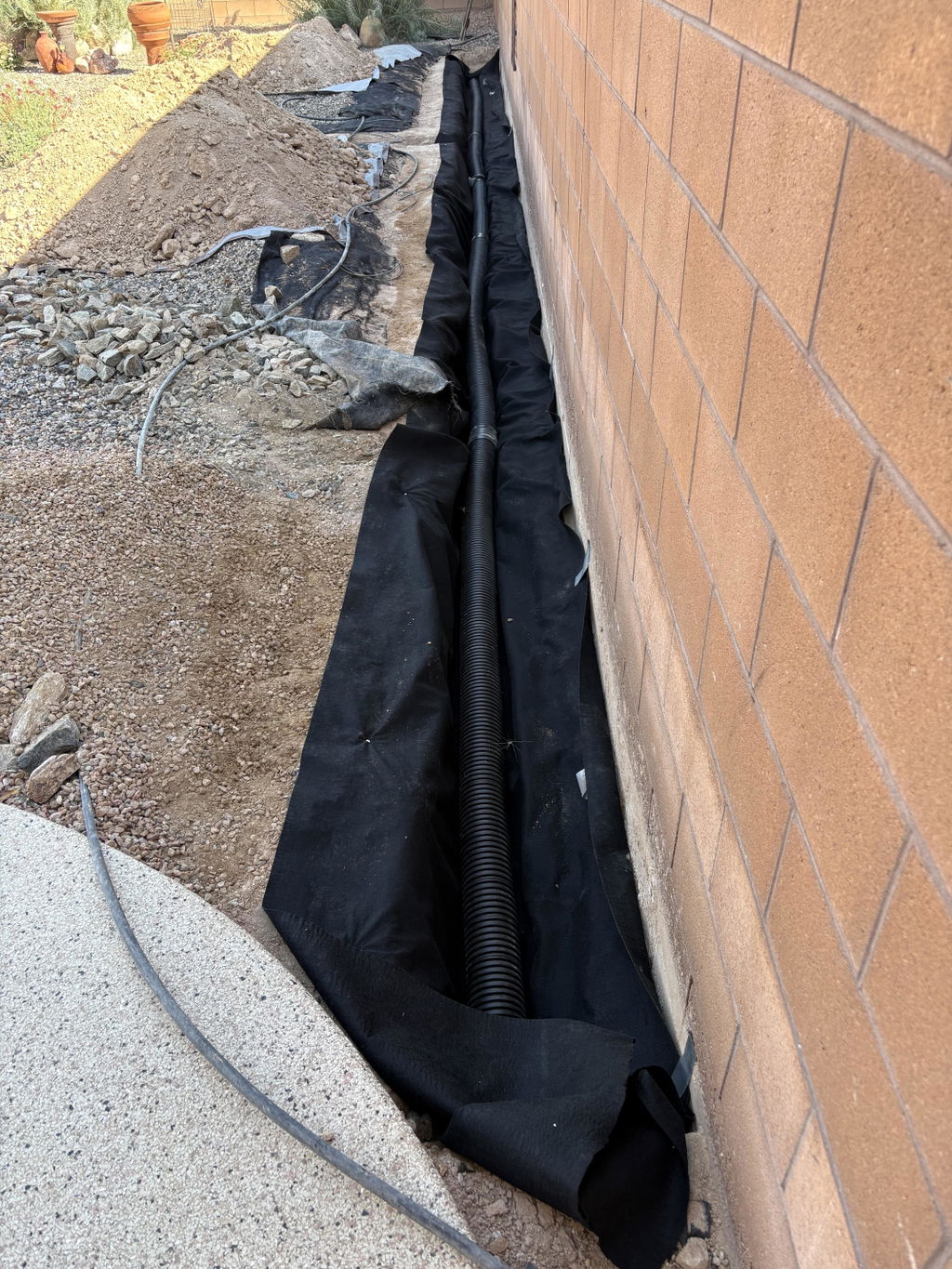
- Lay fabric from the toe up the bank, shingled as above, and staple it with 6 inch staples.
- Place bedding stone, then riprap, starting at the toe.
- Restore vegetation above the rock line to help hold the upper bank.
Related: how to install riprap. Shop non woven geotextile. Every order ships free.
Note: Work in or along streams and rivers may need a permit in some areas. If you are unsure, check with your local natural resources office.