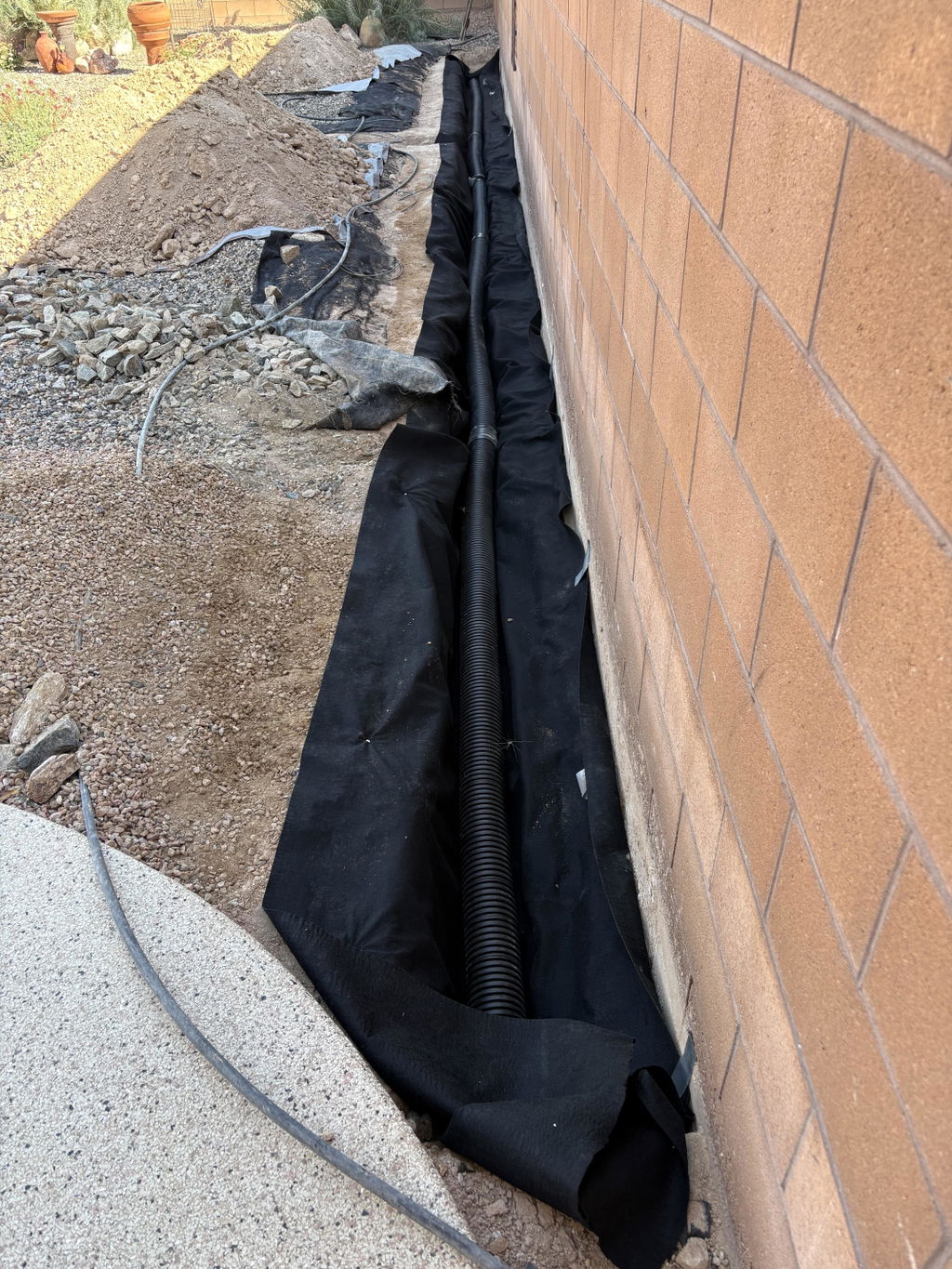
Many lakefront owners want a sandy beach where there is now muck, weeds or rock. The problem: sand dumped straight onto soft lake bottom or soil sinks and mixes in, and within a season or two it disappears. A layer of non woven geotextile under the sand helps it stay where you put it.
How fabric helps
- Separation: keeps sand from sinking into soft soil or muck.
- Drainage: non woven lets water pass through, so the beach drains after rain and waves.
- Weed suppression: it slows weeds coming up from below, though some may still root in the sand over time.
Which fabric
Use a double needle punched non woven. 6 oz works well for most beaches. Go with 8 oz where there is rock underneath, foot traffic is heavy, or ice and waves are strong.
Install steps
- Remove weeds, roots and debris, and smooth the area.
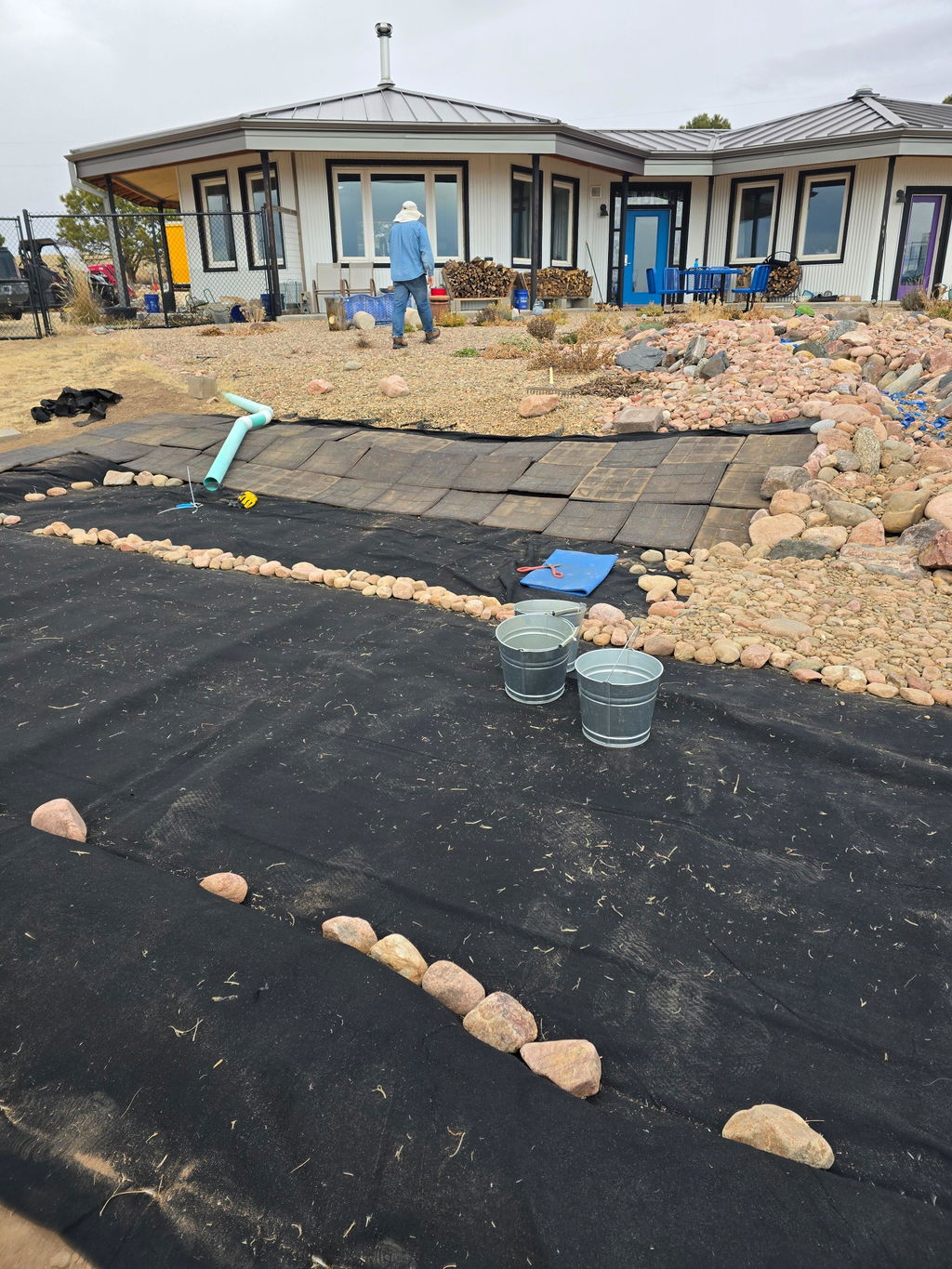
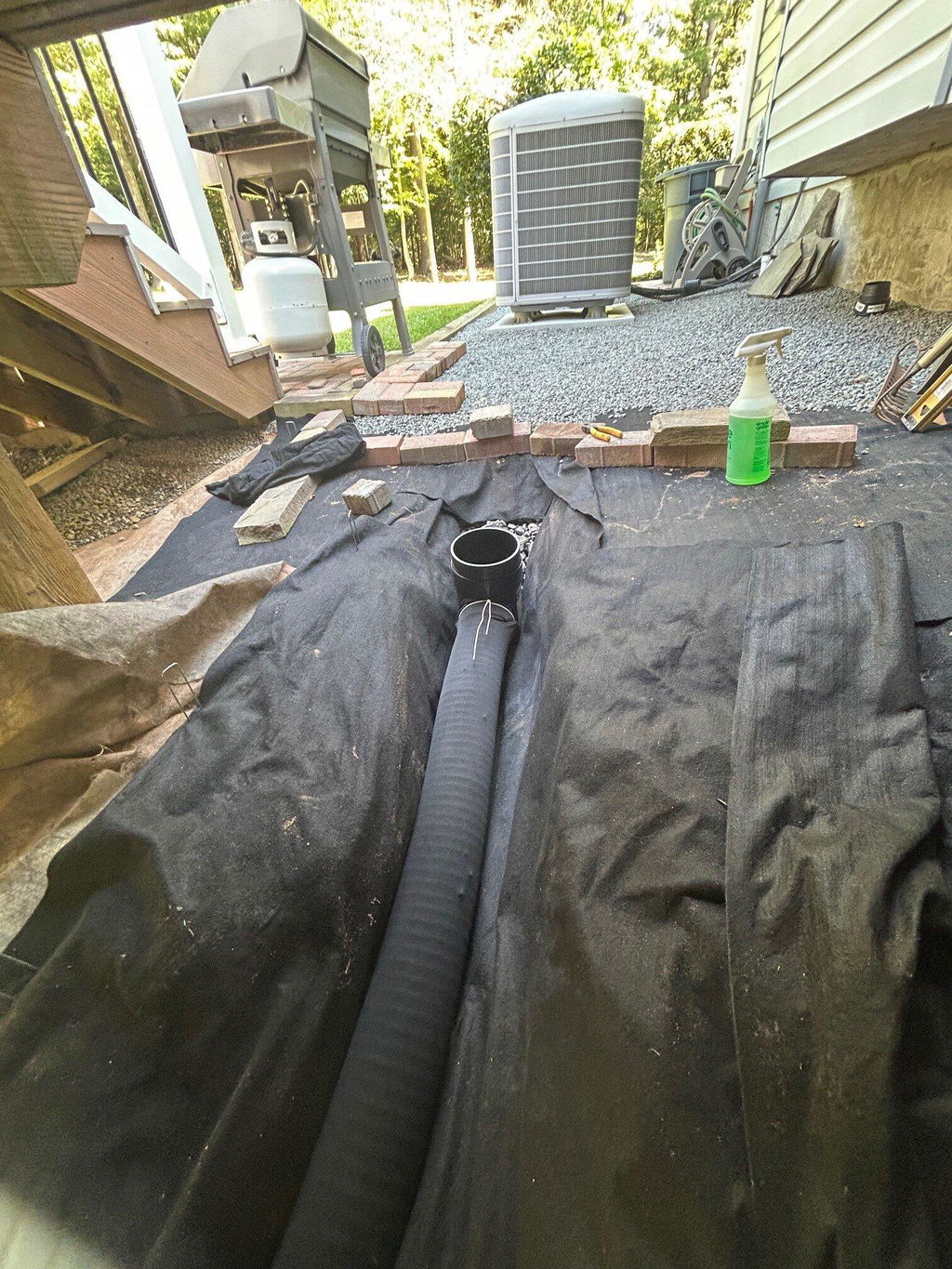
- Roll out fabric with seams overlapped at least 12 to 18 inches.
- Pin it with landscape staples so it doesn't float or shift.
- Spread clean beach sand over the top, usually several inches deep, starting at the back and working toward the water.
- Protect the edges where waves hit, often with a row of stone, so the sand isn't pulled out.
Related: shoreline erosion control. Shop non woven geotextile. Every order ships free.
Note: Some states and lakes regulate adding sand at the shoreline. If you are unsure, check with your local natural resources office.